Black cohosh, scientifically known as Cimicifuga racemosa, is a perennial herb that has been utilized for centuries, particularly by Indigenous peoples of North America. This remarkable plant has gained recognition for its potential benefits in addressing various women's health issues, especially those related to hormonal changes. As women navigate different life stages, from menstruation to menopause, the search for natural remedies to alleviate discomfort and promote well-being has led many to explore the properties of black cohosh. Historically, black cohosh was employed not only for its medicinal properties but also as a cultural symbol among Native American tribes. It was often used in traditional medicine to treat ailments such as menstrual cramps, labor pains, and menopausal symptoms.
Today, its relevance continues in modern herbal practices, where it is frequently recommended for managing hot flashes, night sweats, and mood swings associated with menopause. The growing interest in natural health solutions has propelled black cohosh into the spotlight as a viable alternative to hormone replacement therapy (HRT). In recent years, scientific research has begun to validate some of the traditional uses of black cohosh. Studies suggest that its phytoestrogenic properties may help mimic estrogen in the body, providing relief from menopausal symptoms without the risks associated with synthetic hormones. However, while the benefits of black cohosh are promising, it is essential to approach its use with caution and awareness of potential risks.
Understanding both the advantages and limitations of this herb is crucial for women considering it as part of their health regimen.
What is Black Cohosh?
Black cohosh
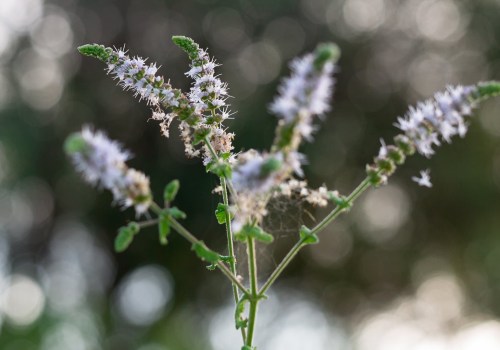
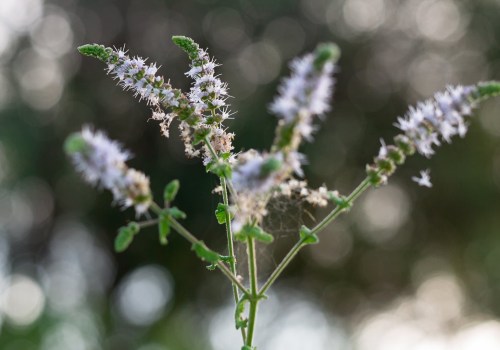
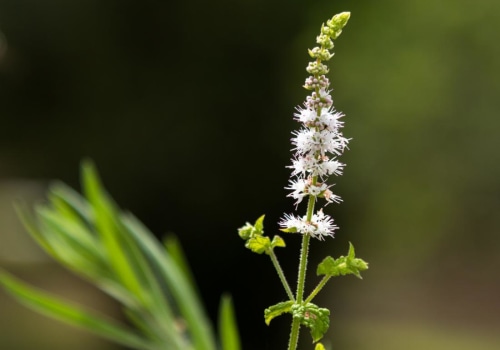
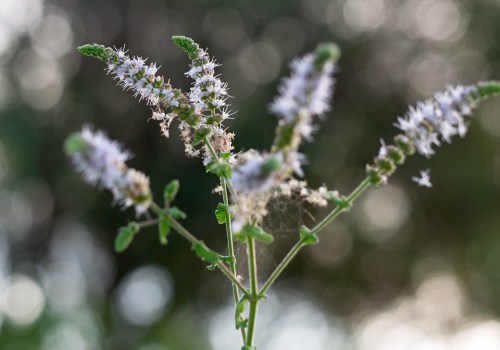
, scientifically known as Cimicifuga racemosa, is a perennial plant native to North America. It belongs to the buttercup family, Ranunculaceae, and is characterized by its tall, slender stems and clusters of small, white flowers that bloom in late spring to early summer. The plant typically grows in wooded areas and can reach heights of up to four feet. Its roots and rhizomes are the parts most commonly used for medicinal purposes. Historically, black cohosh has been utilized by various Indigenous tribes across North America for its therapeutic properties.
Native Americans employed this herb to address a range of health issues, particularly those related to women's health. They used it to alleviate menstrual discomfort, ease childbirth, and manage symptoms associated with menopause. The traditional knowledge surrounding black cohosh has been passed down through generations, highlighting its significance in herbal medicine. In modern herbal practices, black cohosh is primarily recognized for its potential benefits in managing menopausal symptoms. It is often recommended for women experiencing hot flashes, night sweats, and mood swings during this transitional phase of life.
The active compounds in black cohosh are believed to mimic estrogen's effects in the body, providing relief from these common symptoms. Beyond its use for menopause, black cohosh has also been explored for other health benefits. Some studies suggest that it may have anti-inflammatory properties and could support overall reproductive health. However, while many women have reported positive outcomes from using black cohosh, scientific research is still ongoing to fully understand its mechanisms and efficacy. As with any herbal remedy, it is essential to approach black cohosh with caution. Consulting a healthcare professional before starting any new supplement regimen is advisable, especially for those with pre-existing health conditions or those who are pregnant or breastfeeding.
The Benefits of Black Cohosh for Women's Health
Black cohosh, scientifically known as Cimicifuga racemosa, has garnered attention for its potential benefits in supporting women's health, particularly during the menopausal transition.This herb has been utilized for centuries, and its efficacy in alleviating various symptoms associated with hormonal changes is well-documented. One of the most significant black cohosh benefits is its ability to provide relief from menopausal symptoms. Many women experience discomfort during menopause, including hot flashes, night sweats, and mood swings. Research indicates that black cohosh may help mitigate these symptoms by acting on the body's estrogen receptors, thereby mimicking the effects of estrogen without introducing actual hormones into the system. In addition to alleviating hot flashes, black cohosh has been shown to improve sleep quality for women experiencing menopause-related insomnia. By promoting a more restful sleep, it can enhance overall well-being and daily functioning. Another notable benefit of black cohosh is its potential role in promoting hormonal balance.
Hormonal fluctuations can lead to various health issues beyond menopause, including irregular menstrual cycles and premenstrual syndrome (PMS). Black cohosh may help stabilize hormone levels, providing relief from the physical and emotional symptoms associated with these conditions. Furthermore, some studies suggest that black cohosh may have a positive impact on bone health. As estrogen levels decline during menopause, women become more susceptible to osteoporosis. The phytoestrogenic properties of black cohosh could potentially support bone density and reduce the risk of fractures. Beyond menopause, black cohosh has been traditionally used to address other women's health issues such as menstrual cramps and discomfort associated with childbirth.
Its ability to relax uterine muscles may contribute to easing labor pains and facilitating a smoother delivery process. While the benefits of black cohosh are promising, it is essential for women to consult healthcare professionals before starting any new supplement regimen. Individual health conditions and potential interactions with medications should be considered to ensure safe usage.
How Black Cohosh Works in the Body
Understanding how black cohosh works in the body is essential for appreciating its potential benefits for women's health. This herb, primarily known for its role in alleviating menopausal symptoms, operates through several mechanisms that involve hormonal pathways and phytoestrogens. One of the key components of black cohosh is its phytoestrogenic properties. Phytoestrogens are plant-derived compounds that can mimic the action of estrogen in the body.They bind to estrogen receptors, which can help modulate hormonal activity. This is particularly beneficial for women experiencing menopause, as estrogen levels naturally decline during this phase, leading to symptoms such as hot flashes and night sweats. Research suggests that black cohosh may exert its effects by:
- Mimicking Estrogen: By binding to estrogen receptors, black cohosh can help alleviate menopausal symptoms by providing a mild estrogen-like effect. This can lead to a reduction in the frequency and intensity of hot flashes.
- Modulating Hormonal Balance: Black cohosh may help balance hormone levels by influencing the hypothalamus, the part of the brain responsible for regulating hormones. This modulation can lead to improved overall hormonal health.
- Reducing Inflammation: Some studies indicate that black cohosh possesses anti-inflammatory properties, which may contribute to its ability to relieve discomfort associated with menopause and other hormonal fluctuations.
- Supporting Uterine Health: Traditionally, black cohosh has been used to support uterine health by promoting healthy contractions during childbirth and potentially easing menstrual discomfort.
However, it is crucial to approach its use with caution and under the guidance of a healthcare professional, especially considering individual health conditions and potential interactions with other medications. In summary, black cohosh works through a combination of phytoestrogenic effects and hormonal modulation, making it a valuable option for women seeking relief from menopausal symptoms and other hormone-related issues.
Potential Risks and Side Effects of Black Cohosh
While black cohosh is often praised for its potential benefits in alleviating menopausal symptoms, it is crucial to be aware of the risks and side effects associated with its use. Understanding these risks can help individuals make informed decisions about incorporating this herbal remedy into their health regimen.Hormonal Effects
One of the primary concerns regarding black cohosh is its hormonal activity. This herb is known to exhibit phytoestrogenic properties, meaning it can mimic estrogen in the body. While this can be beneficial for some women experiencing menopausal symptoms, it may pose risks for others.For instance:
- Estrogen-sensitive conditions: Women with a history of estrogen-sensitive cancers, such as breast cancer, should approach black cohosh with caution. The herb's estrogen-like effects could potentially exacerbate these conditions.
- Hormonal imbalances: For women with existing hormonal imbalances or those taking hormone replacement therapy (HRT), black cohosh may interfere with their treatment or worsen their symptoms.
Liver Health Concerns
Another significant risk associated with black cohosh is its potential impact on liver health. Some studies have reported cases of liver damage linked to the use of black cohosh, although these instances are relatively rare. It is essential to consider the following:- Pre-existing liver conditions: Individuals with a history of liver disease or dysfunction should avoid using black cohosh unless under strict medical supervision.
- Monitoring liver function: If you choose to use black cohosh, regular monitoring of liver function tests may be advisable to ensure no adverse effects occur.
Who Should Avoid Black Cohosh?
Certain populations should exercise caution or avoid black cohosh altogether:- Pregnant and breastfeeding women: Due to its hormonal effects, black cohosh is not recommended for pregnant or breastfeeding women, as it may affect hormone levels and pose risks to fetal development.
- Individuals on specific medications: Those taking medications that affect liver function or hormonal therapies should consult a healthcare provider before using black cohosh.
- Allergic reactions: Some individuals may experience allergic reactions to black cohosh.
Symptoms can include rash, itching, or difficulty breathing. If any of these occur, discontinue use immediately and seek medical attention.
Research and Studies on Black Cohosh
Research on black cohosh has gained momentum in recent years, particularly concerning its efficacy in alleviating menopausal symptoms. Numerous studies have been conducted to evaluate its safety and effectiveness, providing a clearer picture of how this herbal remedy can impact women's health. One significant study published in the Journal of Women's Health examined the effects of black cohosh on menopausal symptoms in a randomized, double-blind, placebo-controlled trial.The results indicated that women who took black cohosh experienced a notable reduction in hot flashes and night sweats compared to those receiving a placebo. This study supports the notion that black cohosh may serve as an effective alternative for women seeking relief from menopausal discomfort. Another important piece of research was conducted by the North American Menopause Society, which reviewed multiple clinical trials involving black cohosh. Their findings suggested that while many women reported improvements in their symptoms, the overall efficacy varied significantly among individuals. Some participants experienced substantial relief, while others noted minimal changes.
This variability highlights the need for personalized approaches when considering black cohosh as a treatment option. Additionally, a meta-analysis published in Menopause assessed the safety profile of black cohosh. The analysis concluded that while most women tolerated the herb well, there were isolated reports of liver-related issues. This finding emphasizes the importance of monitoring liver function in women who choose to use black cohosh, particularly those with pre-existing liver conditions. Furthermore, ongoing research is exploring the potential mechanisms behind black cohosh's effects. Some studies suggest that its phytoestrogenic properties may play a role in mimicking estrogen activity in the body, which could explain its effectiveness in managing menopausal symptoms.
However, more research is needed to fully understand these mechanisms and their implications for long-term use. In summary, while there is promising evidence supporting the benefits of black cohosh, particularly for menopausal symptom relief, it is crucial for women to consult healthcare professionals before starting any new supplement regimen. Individual responses can vary widely, and understanding both the benefits and potential risks is essential for making informed health decisions.
How to Use Black Cohosh Safely
When considering the use of black cohosh for managing menopausal symptoms or other women's health issues, it is crucial to approach its use with caution and knowledge. Here are some guidelines to help you use black cohosh safely and effectively.Recommended Dosage
The appropriate dosage of black cohosh can vary based on the form of the supplement and individual health needs. Generally, the following dosages are recommended:- Capsules/Tablets: Most products suggest a dosage of 20 to 40 mg taken two to three times daily.
- Tinctures: If using a tincture, a common recommendation is 1 to 2 ml taken two to three times daily.
- Teas: For those preferring herbal teas, steeping 1 to 2 teaspoons of dried black cohosh root in hot water for about 10 minutes can be effective.
Drink this tea up to three times a day.
Selecting Quality Products
Not all black cohosh supplements are created equal. To ensure you are using a quality product, consider the following tips:- Choose Reputable Brands: Look for brands that have a good reputation and are known for their quality control practices. Research customer reviews and check for third-party testing.
- Check for Standardization: Opt for products that specify the amount of active ingredients, such as triterpene glycosides, which are responsible for many of black cohosh's benefits.
- Avoid Additives: Select supplements that do not contain unnecessary fillers, artificial colors, or preservatives.
Consulting with Healthcare Professionals
Before starting any new supplement regimen, including black cohosh, it is essential to consult with a healthcare professional. This is particularly important if you have existing health conditions or are taking other medications.A healthcare provider can help determine if black cohosh is appropriate for you and guide you on the correct dosage based on your individual health profile. In summary, while black cohosh can offer significant benefits for women's health, using it safely involves understanding proper dosages, selecting high-quality products, and consulting with healthcare professionals. By following these guidelines, you can maximize the potential benefits while minimizing risks associated with its use.
FAQs About Black Cohosh
As interest in herbal remedies continues to grow, many people have questions about black cohosh and its effects on women's health. Below are some of the most frequently asked questions regarding this herb, aimed at providing clarity and addressing common misconceptions.What is black cohosh?
Black cohosh, scientifically known as Cimicifuga racemosa, is a perennial plant native to North America. Traditionally, it has been used by Indigenous peoples for various health issues, particularly those related to women's reproductive health.Today, it is commonly utilized as a natural remedy for managing menopausal symptoms.
What are the primary benefits of black cohosh?
- Menopausal symptom relief: Black cohosh is most renowned for its ability to alleviate hot flashes, night sweats, and mood swings associated with menopause.
- PMS management: Some women find that black cohosh helps reduce symptoms of premenstrual syndrome (PMS), such as irritability and cramping.
- Labor support: Historically, it has been used to facilitate labor and ease childbirth discomfort.
Is black cohosh safe to use?
While many women use black cohosh without issues, safety can vary based on individual health conditions. Here are some important considerations:- Avoid during pregnancy: Pregnant or breastfeeding women should steer clear of black cohosh due to potential hormonal effects that could impact fetal development.
- Liver health: There have been rare reports of liver damage associated with black cohosh use. If you have a history of liver disease or are taking medications that affect the liver, consult your healthcare provider before using this herb.
- Consultation recommended: Always speak with a healthcare professional before starting any new supplement, especially if you have existing medical conditions or are on medication.
Can black cohosh interact with other medications?
Yes, black cohosh may interact with certain medications, particularly those that affect hormone levels or liver function. It is crucial to inform your healthcare provider about all supplements and medications you are taking to avoid potential interactions. In summary, while black cohosh offers several potential benefits for women's health, it is essential to approach its use with caution and informed guidance.Understanding these common questions can help you make better decisions regarding your health and wellness.
Conclusion: Weighing the Benefits Against the Risks
In summary, the exploration of black cohosh benefits reveals a complex interplay between its potential advantages and associated risks for women's health. This herbal remedy has garnered attention for its ability to alleviate menopausal symptoms, such as hot flashes and night sweats, thanks to its phytoestrogenic properties. These properties allow black cohosh to mimic estrogen in the body, providing relief during a time when many women experience hormonal fluctuations. Beyond menopause, black cohosh has been traditionally utilized for various reproductive health issues, including menstrual discomfort and labor support. Its historical use by indigenous populations underscores its long-standing role in women's health care.Additionally, emerging research suggests that black cohosh may possess anti-estrogenic effects that could potentially slow the progression of certain hormone-sensitive conditions, such as breast cancer. However, it is crucial to note that more extensive studies are needed to fully understand these implications. Despite these promising benefits, the risks associated with black cohosh cannot be overlooked. Pregnant or breastfeeding women are advised to avoid this herb due to its potential impact on hormone levels and fetal development. Furthermore, there have been reports linking black cohosh to liver damage in some individuals, highlighting the importance of consulting with a healthcare professional before starting any new supplement regimen. For those considering black cohosh as a natural remedy for menopausal symptoms or other women's health issues, it is essential to weigh these benefits against the risks carefully.
Here are some key points to consider:
- Consultation: Always speak with a healthcare provider before beginning any herbal supplement, especially if you have pre-existing medical conditions or are taking medications.
- Quality Matters: Choose reputable brands that provide high-quality black cohosh products from trusted sources.
- Dosage Awareness: Adhere to recommended dosages and avoid prolonged use beyond six months to one year.
- Monitor Your Health: Pay attention to any side effects or changes in your menstrual cycle while using black cohosh and report them to your healthcare provider.