Menopause is a natural biological process that marks the end of a woman's reproductive years, typically occurring between the ages of 45 and 55. It is characterized by the cessation of menstruation and a significant decline in hormone production, particularly estrogen and progesterone. Understanding menopause is essential, as it can bring about a range of physical and emotional changes that can significantly impact a woman's quality of life. The transition into menopause is often divided into three stages: perimenopause, menopause, and postmenopause. Perimenopause is the initial phase, which can begin several years before the final menstrual period. During this time, women may experience irregular periods, hot flashes, night sweats, and mood swings due to fluctuating hormone levels.
Following this transitional phase is menopause , defined as having gone 12 consecutive months without a menstrual period. Finally, postmenopause refers to the years after menopause has occurred, during which women may continue to experience symptoms but at a reduced intensity. Common symptoms associated with menopause include hot flashes, sleep disturbances, vaginal dryness, and emotional changes such as anxiety or depression. These symptoms can vary widely in severity and duration from one woman to another. For many, the discomfort associated with these changes can be challenging to manage, leading them to seek out various treatment options.
This is where natural remedies like black cohosh come into play, offering potential relief for those navigating this significant life transition.
What is Black Cohosh?
Black cohosh
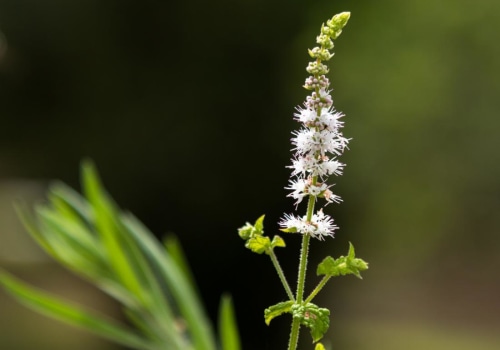
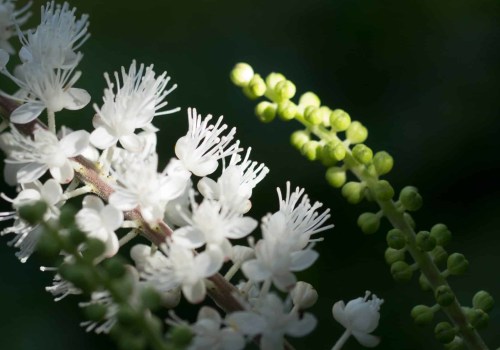
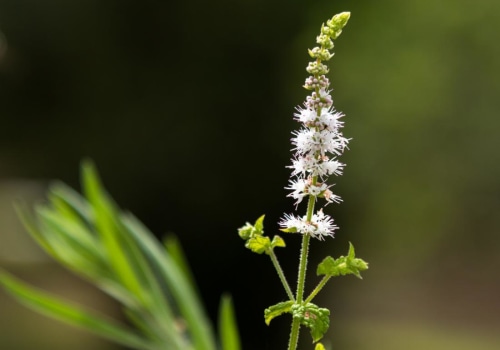
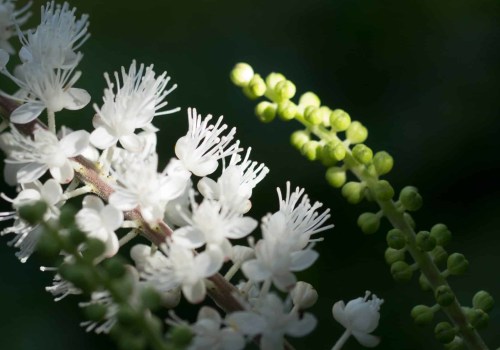
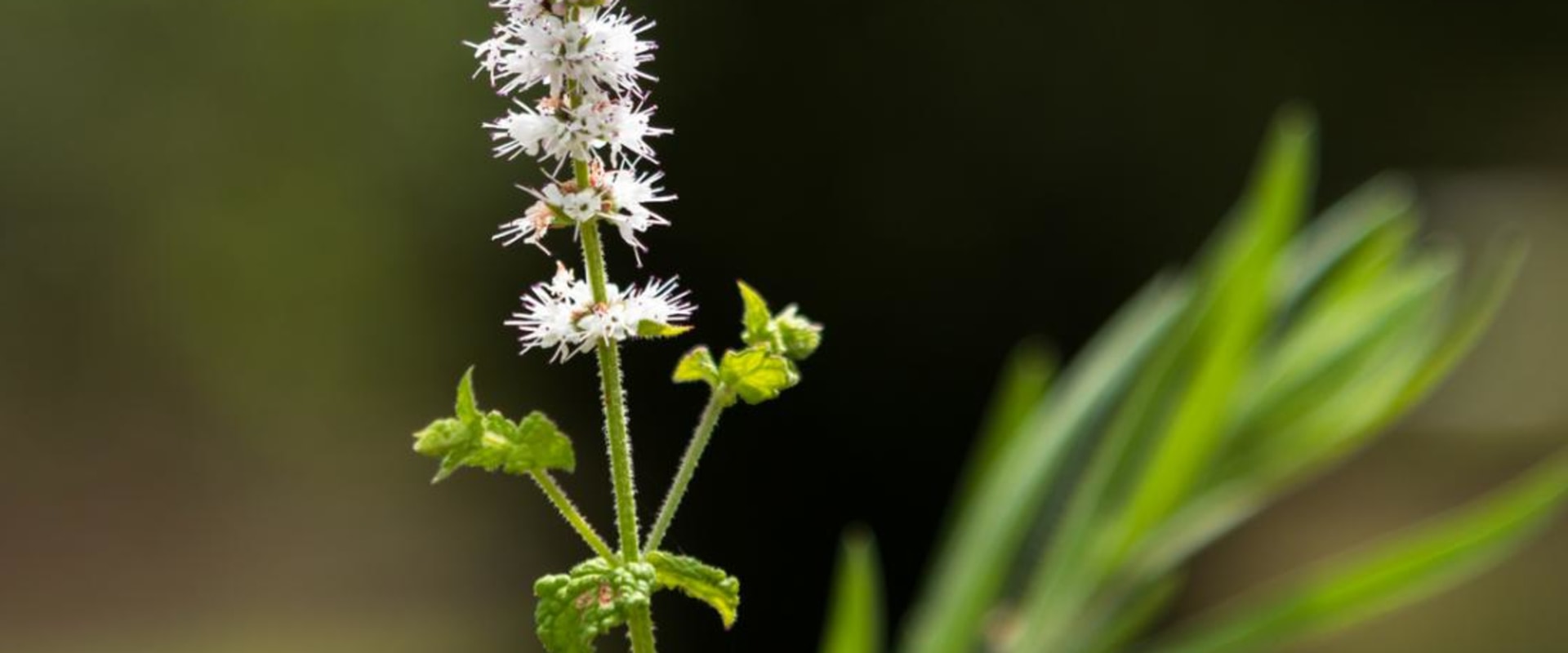
, scientifically known as Actaea racemosa, is a perennial plant native to North America. It belongs to the buttercup family and is primarily found in the eastern United States and Canada. The plant can grow up to 4 feet tall and features distinctive white flowers that bloom in late spring to early summer. The roots and rhizomes of black cohosh are the parts most commonly used for medicinal purposes, particularly in the form of extracts or capsules. The history of black cohosh dates back centuries, with its use deeply rooted in Native American traditions.
Indigenous tribes utilized the plant for various health issues, including menstrual discomfort, labor pains, and menopausal symptoms. They recognized its potential benefits long before modern science began to explore its properties. In fact, black cohosh was often referred to as "snakeroot" due to its historical use as an antidote for snake bites. In the 19th century, black cohosh gained popularity among European settlers who adopted its use for similar ailments. It became a staple in herbal medicine and was included in various pharmacopoeias.
By the late 20th century, black cohosh emerged as a prominent herbal remedy for menopausal symptoms, particularly hot flashes and mood swings. Today, black cohosh is widely available as a dietary supplement and is often recommended by healthcare providers for women experiencing menopause. Its active compounds, including triterpenes and glycosides, are believed to interact with estrogen receptors in the body, providing relief from hormonal fluctuations associated with menopause. As interest in natural remedies continues to grow, black cohosh remains a significant player in the realm of women's health. Its rich history and traditional uses underscore its relevance as a natural option for managing menopausal symptoms.
The Science Behind Black Cohosh: How It Works
Black cohosh, scientifically known as Actaea racemosa, is a perennial plant native to North America. Its roots and rhizomes have been utilized for centuries in traditional medicine, particularly for alleviating symptoms associated with menopause.The effectiveness of black cohosh can be attributed to its complex composition of active compounds, which interact with the body in various ways. One of the primary active compounds found in black cohosh is triterpenic glycosides. These compounds are believed to play a significant role in modulating hormonal activity. They may mimic estrogen, a hormone that declines during menopause, thereby helping to alleviate symptoms such as hot flashes and mood swings. This estrogen-like effect is particularly beneficial for women who experience severe menopausal symptoms but prefer to avoid hormone replacement therapy. Another important group of compounds in black cohosh includes ferulic acid and caffeic acid.
These phenolic compounds possess antioxidant properties, which can help combat oxidative stress in the body. Oxidative stress is linked to various health issues, including inflammation and cellular damage, which can exacerbate menopausal symptoms. By reducing oxidative stress, black cohosh may contribute to overall well-being during this transitional phase. The mechanism of action of black cohosh also involves its interaction with neurotransmitter systems. Some studies suggest that it may influence serotonin receptors in the brain, which can help improve mood and reduce anxiety levels.
This is particularly relevant for women experiencing emotional disturbances during menopause, as fluctuations in hormone levels can lead to increased irritability and mood swings. Additionally, black cohosh has been shown to have a positive impact on sleep quality. The calming effects attributed to its active compounds may help reduce insomnia and night sweats, allowing for more restful sleep. Improved sleep quality is crucial for overall health and can significantly enhance the quality of life for women undergoing menopause. In summary, the benefits of black cohosh stem from its diverse array of active compounds that work synergistically to alleviate menopausal symptoms. By mimicking estrogen, providing antioxidant support, and influencing neurotransmitter activity, black cohosh offers a multifaceted approach to managing the challenges associated with menopause.
As always, it is advisable for individuals to consult healthcare professionals before starting any new supplement regimen.
Benefits of Black Cohosh for Menopause Relief
Black cohosh, a herb native to North America, has gained recognition for its potential to alleviate various symptoms associated with menopause. Many women experiencing this transitional phase of life report significant improvements in their quality of life after incorporating black cohosh into their wellness routines. Below are some of the key black cohosh benefits specifically related to menopause relief.Relief from Hot Flashes
One of the most prevalent and uncomfortable symptoms of menopause is hot flashes. These sudden feelings of warmth can disrupt daily activities and sleep patterns.Research suggests that black cohosh may help reduce the frequency and intensity of hot flashes. By acting on the body’s hormonal balance, black cohosh can provide a natural alternative to hormone replacement therapy (HRT) for those seeking relief.
Improved Sleep Quality
Many women experience sleep disturbances during menopause, often exacerbated by night sweats and anxiety. Black cohosh has been reported to improve sleep quality by promoting relaxation and reducing the occurrence of night sweats. Taking black cohosh in the evening may help women achieve a more restful night’s sleep, allowing them to wake up feeling refreshed and rejuvenated.Alleviation of Mood Swings
Mood swings, irritability, and anxiety are common during menopause due to fluctuating hormone levels.Black cohosh may help stabilize mood by influencing neurotransmitter activity in the brain. Women who take black cohosh often report feeling calmer and more balanced, which can significantly enhance their overall emotional well-being during this challenging time.
Reduction of Vaginal Dryness
Vaginal dryness is another common symptom that can lead to discomfort and affect intimacy. Black cohosh may help alleviate this issue by promoting better blood flow and moisture in the vaginal area. This benefit can enhance sexual health and overall quality of life for women experiencing menopause.Comprehensive Menopausal Support
In addition to addressing hot flashes, sleep issues, mood swings, and vaginal dryness, black cohosh is believed to provide comprehensive support for various other menopausal symptoms such as joint pain and fatigue.Its anti-inflammatory properties may also contribute to overall wellness during this transitional phase. While many women have found relief through black cohosh, it is essential to consult with a healthcare provider before starting any new supplement regimen. This ensures that it is appropriate for individual health needs and conditions.
Research and Studies on Black Cohosh Effectiveness
Research on the effectiveness of black cohosh for alleviating menopausal symptoms has garnered attention over the years, with various studies exploring its potential benefits. While results can vary, several key studies provide insights into how this herbal supplement may help women during menopause. One of the most notable studies was published in the Journal of Women's Health, which examined the effects of black cohosh on hot flashes and other menopausal symptoms. In this randomized, double-blind, placebo-controlled trial, participants who took a standardized extract of black cohosh reported a significant reduction in the frequency and severity of hot flashes compared to those receiving a placebo.The study concluded that black cohosh could be an effective alternative for women seeking relief from these common symptoms. Another important piece of research was conducted by the North American Menopause Society, which reviewed multiple clinical trials involving black cohosh. This comprehensive analysis found that while some studies indicated positive outcomes, others showed minimal or no effect. The variability in results was attributed to differences in dosages, formulations, and study designs. Nevertheless, the review highlighted that many women experienced subjective improvements in their quality of life when using black cohosh. Additionally, a meta-analysis published in Menopause journal synthesized data from various studies and found that black cohosh significantly reduced hot flashes and improved overall menopausal symptoms.
The authors emphasized the need for further research to establish optimal dosages and treatment durations but acknowledged the herb's potential as a viable option for symptom management. Despite these promising findings, it is essential to approach black cohosh with caution. Some studies have raised concerns about potential side effects and interactions with other medications. For instance, a study in The Journal of Clinical Endocrinology & Metabolism noted that while black cohosh is generally well-tolerated, some women reported gastrointestinal disturbances and headaches. In summary, while research on black cohosh shows potential benefits for managing menopausal symptoms, results can be inconsistent. Women considering this supplement should consult healthcare professionals to discuss its suitability based on individual health needs and circumstances.
How to Take Black Cohosh: Dosage and Forms
When considering the use of black cohosh for managing menopausal symptoms, understanding the appropriate dosage and available forms is crucial for maximizing its benefits while minimizing potential risks.Black cohosh is available in several forms, including capsules, tinctures, and teas, each offering unique advantages.
Recommended Dosage
The typical dosage of black cohosh varies depending on the form used. For standardized extracts, a common recommendation is between 40 mg to 160 mg per day, divided into two doses. It is essential to follow the instructions provided on the product label or consult with a healthcare professional for personalized advice. For those using tinctures, which are concentrated liquid extracts, the dosage may range from 1 to 2 mL taken two to three times daily. If you prefer herbal teas, steeping 1 to 2 teaspoons of dried black cohosh root in hot water for about 10-15 minutes can provide a soothing beverage that may help alleviate symptoms.Forms of Black Cohosh
- Capsules: These are one of the most popular forms due to their convenience and precise dosing.
Capsules typically contain a standardized extract, ensuring consistent potency.
- Tinctures: Liquid extracts that are often more potent than capsules. Tinctures allow for quick absorption and can be easily added to water or juice.
- Dried Root: This form can be used to make teas or decoctions. While it may require more preparation time, it offers a traditional approach to herbal remedies.
- Tablets: Similar to capsules but may contain additional binders or fillers. Always check the label for active ingredients and dosages.
Taking black cohosh at the same time each day can help your body adjust and enhance its effectiveness. Additionally, it is advisable not to exceed the recommended dosage without consulting a healthcare provider, as higher amounts do not necessarily lead to better results and may increase the risk of side effects. In conclusion, understanding how to take black cohosh effectively involves knowing the right dosage and selecting the appropriate form that fits your lifestyle. Always prioritize safety by consulting with a healthcare professional before starting any new supplement regimen.
Potential Side Effects and Interactions of Black Cohosh
While black cohosh is often praised for its potential benefits in alleviating menopausal symptoms, it is essential to consider the potential side effects and interactions with other medications. Understanding these aspects can help individuals make informed decisions about incorporating this herbal supplement into their health regimen.Common Side Effects
- Gastrointestinal Issues: Some users may experience mild gastrointestinal discomfort, including nausea, diarrhea, or stomach cramps.
These symptoms are generally temporary and may subside as the body adjusts to the supplement.
- Headaches: A few individuals report experiencing headaches after starting black cohosh. If headaches persist, it may be advisable to consult a healthcare professional.
- Dizziness: Dizziness or lightheadedness can occur, particularly when standing up quickly. This side effect may be more pronounced in those who are sensitive to changes in blood pressure.
- Allergic Reactions: Although rare, some individuals may have an allergic reaction to black cohosh, which could manifest as skin rashes, itching, or swelling. If any severe allergic symptoms occur, it is crucial to seek medical attention immediately.
Interactions with Medications
Black cohosh may interact with certain medications, which can affect their efficacy or increase the risk of adverse effects.
It is vital to discuss any current medications with a healthcare provider before starting black cohosh. Some notable interactions include:
- Hormonal Medications: Since black cohosh has estrogen-like effects, it may interfere with hormonal therapies such as birth control pills or hormone replacement therapy (HRT). This interaction could potentially alter the effectiveness of these treatments.
- Blood Thinners: Black cohosh may enhance the effects of anticoagulants like warfarin, increasing the risk of bleeding. Regular monitoring of blood clotting levels is recommended for those on blood thinners who choose to take black cohosh.
- Liver Metabolized Drugs: Some studies suggest that black cohosh might affect liver enzymes responsible for metabolizing various medications.
This could lead to altered drug levels in the body, necessitating adjustments in dosages.
Safety Considerations
The safety profile of black cohosh is generally considered favorable for most women; however, it is not without caution. Pregnant or breastfeeding women should avoid using black cohosh due to insufficient research on its effects during these critical periods. Additionally, individuals with a history of liver disease should exercise caution and consult a healthcare provider before use. In conclusion, while black cohosh offers potential benefits for managing menopausal symptoms, it is crucial to remain aware of its possible side effects and interactions with other medications. Consulting with a healthcare professional can help ensure safe and effective use of this herbal supplement.
Who Should Consider Taking Black Cohosh?
When considering whether to take black cohosh, it is essential to evaluate individual health circumstances and needs.This herbal supplement is primarily recommended for women experiencing menopausal symptoms, particularly those who are seeking natural alternatives to hormone replacement therapy (HRT). Below are some key groups of individuals who may benefit from black cohosh:
- Women in Menopause: Black cohosh is most commonly used by women undergoing menopause. It has been reported to help alleviate symptoms such as hot flashes, night sweats, and mood swings.
- Women with Hormonal Imbalances: Those experiencing hormonal fluctuations due to perimenopause or other conditions may find relief through black cohosh, as it can help balance estrogen levels.
- Individuals Seeking Natural Remedies: For those who prefer natural treatments over pharmaceutical options, black cohosh offers a plant-based alternative that has been used for centuries.
- Pregnant or Nursing Women: Black cohosh is not recommended for pregnant or breastfeeding women due to potential risks to the fetus or infant.
- Individuals with Liver Issues: Those with liver diseases or conditions should avoid black cohosh, as it may exacerbate liver problems.
- Women with Hormone-Sensitive Conditions: If you have a history of hormone-sensitive cancers, such as breast cancer, it is crucial to consult a healthcare provider before using black cohosh.
- People Taking Certain Medications: Black cohosh may interact with medications such as anticoagulants or hormone therapies.
Always discuss with your doctor if you are on any medication.
Frequently Asked Questions About Black Cohosh and Menopause
As more women seek natural remedies for managing menopausal symptoms, black cohosh has gained significant attention. Below are some frequently asked questions that can help clarify its use and benefits during menopause.What is black cohosh?
Black cohosh is a perennial plant native to North America, traditionally used by Native Americans for various health issues, including menstrual and menopausal symptoms. The root of the plant is commonly used in supplements to help alleviate symptoms associated with menopause.How does black cohosh work for menopause?
The exact mechanism of action of black cohosh is not fully understood.However, it is believed to interact with estrogen receptors in the body, potentially mimicking estrogen's effects. This can help reduce symptoms such as hot flashes and mood swings that are common during menopause.
What are the main benefits of taking black cohosh?
- Hot Flashes Relief: Many women report a significant reduction in the frequency and intensity of hot flashes after taking black cohosh.
- Improved Sleep Quality: Black cohosh may help improve sleep disturbances caused by night sweats and other menopausal symptoms.
- Reduction in Mood Swings: Some studies suggest that black cohosh can help stabilize mood and reduce irritability during menopause.
- Easing Vaginal Dryness: It may also alleviate vaginal dryness, a common issue faced by women during this transitional phase.
Are there any side effects associated with black cohosh?
While black cohosh is generally considered safe for most women, some may experience mild side effects such as stomach upset, headaches, or dizziness. It is essential to consult with a healthcare provider before starting any new supplement, especially if you have existing health conditions or are taking other medications.How long does it take to see results from black cohosh?
The time it takes to experience the benefits of black cohosh can vary from person to person. Some women may notice improvements within a few weeks, while others might take longer.Consistency in taking the supplement as directed is crucial for achieving optimal results.
Can I take black cohosh with other medications?
If you are currently on medication or have health concerns, it’s vital to discuss with your doctor before adding black cohosh to your regimen. This will help avoid any potential interactions and ensure safe use. In summary, understanding the benefits of black cohosh and addressing common questions can empower women to make informed decisions about their health during menopause.Conclusion: The Role of Black Cohosh in Managing Menopausal Symptoms
In summary, the use of black cohosh as a natural remedy for managing menopausal symptoms has garnered attention due to its potential benefits. Throughout this article, we have explored various aspects of black cohosh, highlighting its effectiveness in alleviating common symptoms such as hot flashes, sleep disturbances, and vaginal dryness. Many women have reported positive experiences with this herbal supplement, suggesting that it may serve as a viable alternative to traditional hormone replacement therapies. One of the most significant advantages of black cohosh is its ability to reduce the frequency and intensity of hot flashes.This symptom can be particularly disruptive, affecting daily activities and overall quality of life. By incorporating black cohosh into their wellness routine, many women have found relief from these uncomfortable episodes. Additionally, black cohosh has been noted for its potential to improve sleep quality. Sleep disturbances are common during menopause, often exacerbated by night sweats and anxiety. By promoting better sleep patterns, black cohosh may help women feel more rested and rejuvenated. Moreover, the herb's role in addressing vaginal dryness is another critical benefit.
This symptom can lead to discomfort and affect intimate relationships, making it essential for women to find effective solutions. Black cohosh may provide a natural option for alleviating this issue. However, it is crucial to approach the use of black cohosh with caution. As with any supplement, individual responses can vary significantly. It is advisable for women considering black cohosh to consult with healthcare professionals before starting any new regimen.
This ensures that they receive personalized advice based on their health history and current medications. In conclusion, while black cohosh presents several potential benefits for managing menopausal symptoms, it is essential to prioritize safety and informed decision-making. By working closely with healthcare providers, women can explore the best options for their unique needs during this transitional phase of life.