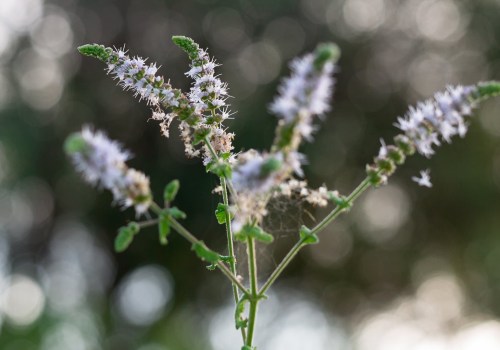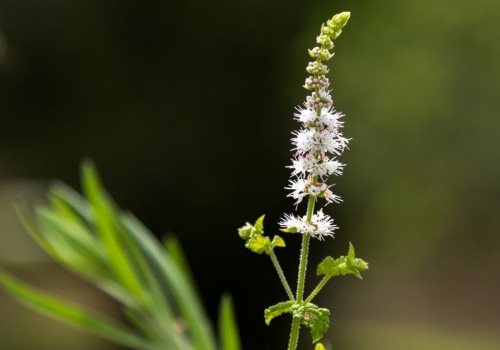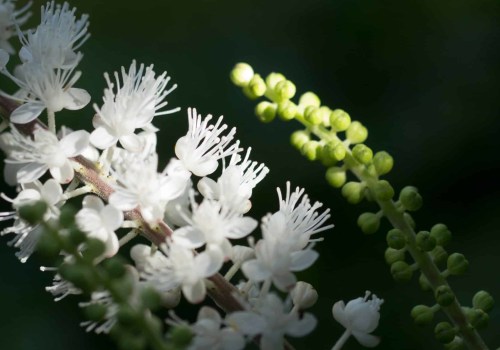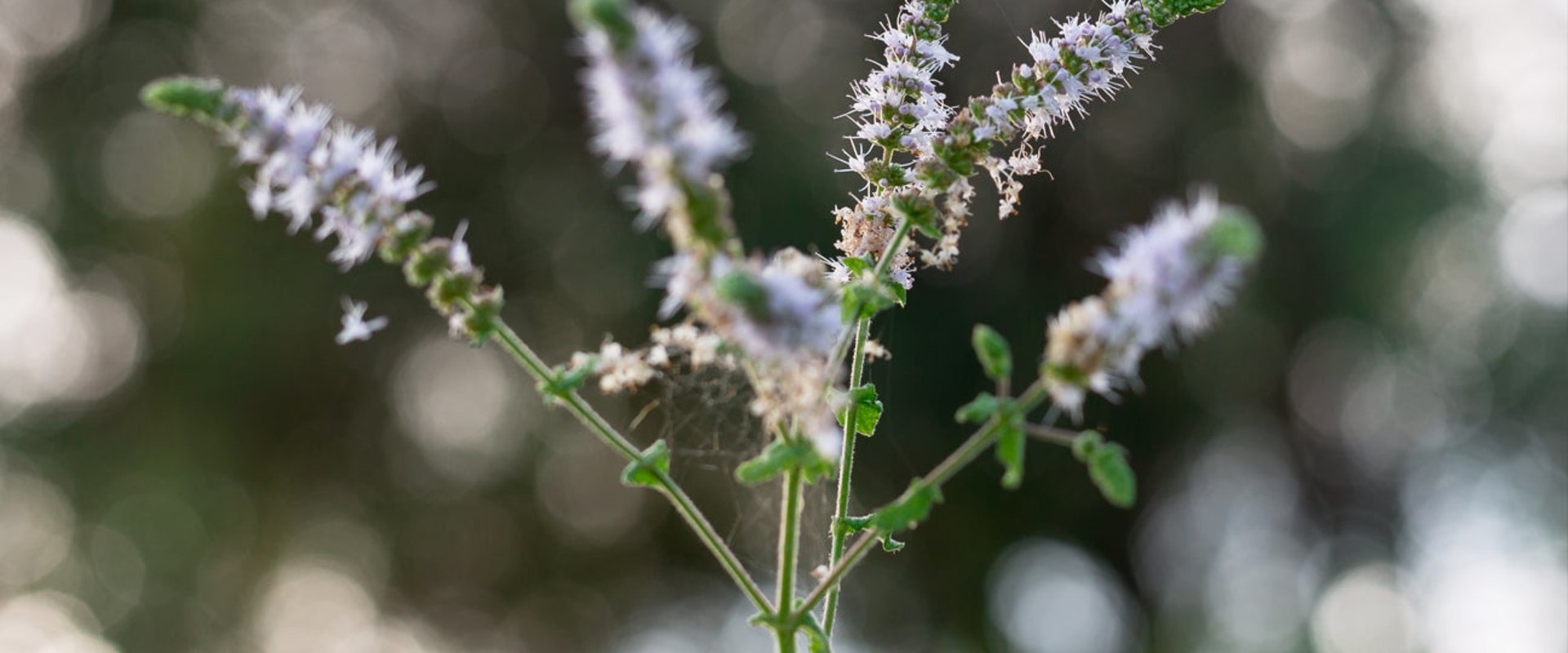
Black cohosh, scientifically known as Black cohosh, scientifically known as Actaea racemosa, is a perennial plant native to North America, particularly found in the eastern regions of the United States and Canada. Traditionally, it has been utilized by Native American tribes for various medicinal purposes, including the treatment of gynecological issues, menstrual discomfort, and menopausal symptoms. The roots and rhizomes of black cohosh are the parts most commonly used in herbal remedies, often prepared as tinctures, capsules, or teas. In recent years, black cohosh has gained popularity as a natural alternative for managing symptoms associated with menopause, such as hot flashes, night sweats, and mood swings. Many women seeking relief from these uncomfortable symptoms have turned to this herbal remedy, hoping to find a solution without resorting to hormone replacement therapy (HRT).
However, while anecdotal evidence supports its effectiveness, scientific research on the benefits of black cohosh remains mixed. Understanding the potential benefits and risks associated with daily use of black cohosh is essential for anyone considering this herbal supplement. While some studies suggest that it may help alleviate menopausal symptoms, others indicate that its efficacy may not be as robust as once believed. Additionally, there are concerns regarding its safety profile and possible interactions with other medications. As we delve deeper into the world of black cohosh, we will explore its historical uses, current applications, and the scientific evidence surrounding its benefits and risks.
The Benefits of Black Cohosh
Black cohosh, a perennial plant native to North America, has gained popularity as a natural remedy, particularly for women experiencing menopausal symptoms.Its potential health benefits have been the subject of numerous studies, making it a focal point for those seeking alternatives to hormone replacement therapy. One of the most well-documented uses of black cohosh is its ability to alleviate menopausal symptoms. Many women report a reduction in the frequency and intensity of hot flashes, night sweats, and mood swings after incorporating black cohosh into their daily routine. Clinical trials have shown that dosages ranging from 40 to 160 milligrams of standardized extracts can be effective in managing these symptoms. In addition to its role in managing menopausal discomfort, black cohosh may also offer other health benefits. Some studies suggest that it could have a positive impact on bone health by potentially improving bone mineral density in postmenopausal women.
This is particularly important as women are at an increased risk for osteoporosis after menopause due to decreased estrogen levels. Moreover, black cohosh has been investigated for its potential effects on mood and emotional well-being. Some users report experiencing fewer mood swings and improved overall emotional stability when using this herb. This could be attributed to its influence on neurotransmitter activity, although more research is needed to fully understand this mechanism. Another area of interest is the potential anti-inflammatory properties of black cohosh. Some preliminary studies indicate that it may help reduce inflammation in the body, which could be beneficial for various conditions, including arthritis and other inflammatory disorders. While the benefits of black cohosh are promising, it is essential to approach its use with caution.
Not all formulations are created equal, and the efficacy can vary based on the preparation method. Additionally, individuals with certain medical conditions or those taking specific medications should consult with a healthcare provider before starting any new supplement regimen. In summary, black cohosh presents several potential benefits, particularly for women navigating menopause. Its ability to alleviate symptoms such as hot flashes and mood swings makes it a valuable option for many. However, ongoing research is necessary to fully elucidate its effects and ensure safe usage among diverse populations.
How Black Cohosh Works in the Body
Understanding how black cohosh works in the body is crucial for appreciating its potential benefits and limitations.The primary active components of black cohosh are thought to be the terpenic glycosides, including actein and cimifugoside. These compounds interact with various biological pathways, leading to the effects commonly associated with this herbal remedy. One of the most discussed mechanisms of action involves the modulation of estrogen receptors. While early research suggested that black cohosh might mimic estrogen by binding to estrogen receptors, more recent studies indicate a more complex interaction. Instead of acting as a direct estrogen mimic, black cohosh appears to exert a selective effect on these receptors.
This means it may activate certain pathways while inhibiting others, potentially blocking some estrogenic effects rather than replicating them. Additionally, black cohosh has been shown to influence neurotransmitter systems, particularly serotonin. This interaction may help alleviate mood swings and irritability often experienced during menopause. By modulating serotonin levels, black cohosh could contribute to improved emotional well-being in women undergoing hormonal changes. Another area of interest is the anti-inflammatory properties of black cohosh. Some studies suggest that it may reduce inflammation in the body, which can be beneficial for overall health and may play a role in alleviating menopausal symptoms.
The anti-inflammatory effects could also contribute to its potential in reducing the risk of chronic diseases associated with menopause. Furthermore, research has indicated that black cohosh may have an impact on bone health. Some animal studies suggest that it could help maintain bone density by influencing bone remodeling processes. However, human studies are still needed to confirm these findings and understand the implications for postmenopausal women. In summary, while the exact mechanisms through which black cohosh operates are still being explored, its multifaceted actions on estrogen receptors, neurotransmitter systems, and inflammatory pathways highlight its potential as a natural remedy for menopausal symptoms. However, it is essential for users to approach this herbal supplement with caution and consult healthcare professionals before starting any new treatment regimen.
Recommended Dosage and Forms of Black Cohosh
When considering the use of black cohosh as a natural remedy, understanding the appropriate dosage and available forms is crucial for safety and effectiveness.Black cohosh is typically available in several forms, including capsules, tablets, tinctures, and teas. Each form may have different concentrations of active ingredients, which can influence the recommended dosage.
Recommended Dosage
- The most common dosage for black cohosh ranges from 40 to 160 milligrams per day, often divided into two doses. Clinical studies have shown that this range is generally effective for alleviating menopausal symptoms such as hot flashes.
- For standardized extracts, it is essential to follow the manufacturer's instructions, as concentrations can vary significantly between products.
- Some experts recommend starting with a lower dose (around 40 mg) and gradually increasing it based on individual response and tolerance.
- It is advisable not to exceed a duration of six months of continuous use without consulting a healthcare provider, as long-term effects are not well-studied.
Forms of Black Cohosh
- Capsules and Tablets: These are convenient and provide a consistent dosage. Look for products that specify the amount of active ingredients per serving.
-
Tinctures: Liquid extracts can be more potent and are absorbed quickly by the body.
Typically, a few drops are mixed with water or taken directly.
- Teas: While less concentrated than other forms, black cohosh tea can be a soothing option. However, it may require larger quantities to achieve the desired effects.
How to Take Black Cohosh
When taking black cohosh, it is important to:
- Follow the recommended dosage on the product label or as advised by a healthcare professional.
- If using tinctures or liquid forms, measure carefully to ensure accurate dosing.
- Consider taking black cohosh with food to minimize potential gastrointestinal discomfort.
- Avoid combining black cohosh with other herbal supplements or medications without consulting a healthcare provider to prevent adverse interactions.
Potential Side Effects and Risks of Black Cohosh
While black cohosh is often praised for its potential benefits, it is essential to consider the side effects and risks associated with its use. Understanding these factors can help individuals make informed decisions about incorporating this herbal supplement into their health regimen.Common Side Effects
- Gastrointestinal Issues: Some users report experiencing stomach upset, nausea, or diarrhea after taking black cohosh.
These symptoms can vary in intensity and may be more pronounced in individuals with sensitive digestive systems.
- Headaches: Another frequently reported side effect is headaches. While not everyone will experience this, it is a concern for some users.
- Dizziness: A feeling of lightheadedness or dizziness can occur, particularly when starting the supplement or increasing the dosage.
- Allergic Reactions: Although rare, some individuals may have allergic reactions to black cohosh, which can manifest as rashes, itching, or swelling.
Serious Risks
In addition to common side effects, there are more serious risks associated with black cohosh:
- Liver Damage: There have been reports linking black cohosh to liver damage in some individuals. Symptoms of liver issues may include jaundice (yellowing of the skin and eyes), dark urine, and abdominal pain. It is crucial for anyone considering black cohosh to monitor their liver health and consult a healthcare provider if they have pre-existing liver conditions.
-
Hormonal Effects: Black cohosh is thought to have estrogen-like effects in the body.
This raises concerns for individuals with hormone-sensitive conditions such as breast cancer or endometriosis. Those with such conditions should avoid using black cohosh unless under strict medical supervision.
Contraindications
Certain populations should exercise caution or avoid black cohosh altogether:
- Pregnant or Nursing Women: The safety of black cohosh during pregnancy and breastfeeding has not been established. Therefore, it is advisable for women in these categories to refrain from using this supplement.
- Individuals on Certain Medications: Black cohosh may interact with medications such as anticoagulants, hormone therapies, and certain antidepressants. It is vital to consult a healthcare professional before combining black cohosh with any prescription or over-the-counter medications.
Consulting with a healthcare provider can help ensure safe usage tailored to individual health needs.
Black Cohosh in Clinical Research
Recent clinical research on black cohosh has aimed to clarify its effectiveness, particularly in managing menopausal symptoms. A variety of studies have been conducted to assess its impact on conditions such as hot flashes, mood swings, and overall quality of life in postmenopausal women. One notable study published in the Journal of Women's Health examined the effects of black cohosh on menopausal symptoms over a 12-week period. Participants who took a standardized extract reported a significant reduction in the frequency and severity of hot flashes compared to those receiving a placebo. This suggests that black cohosh may offer some relief for women experiencing these common symptoms. Another clinical trial focused on the long-term effects of black cohosh on bone health and cardiovascular risk factors in postmenopausal women.The results indicated no significant differences in bone mineral density or heart disease risk between those who took black cohosh and those who did not. This raises questions about its efficacy in these areas, suggesting that while it may help with certain symptoms, it does not necessarily contribute to long-term health benefits. Furthermore, a meta-analysis that compiled data from multiple studies found that while black cohosh is generally well-tolerated, its effectiveness varies widely among individuals. Some women reported substantial improvements, while others experienced little to no change. This variability highlights the need for personalized approaches when considering herbal supplements like black cohosh. In addition to menopausal symptoms, research has also explored the potential role of black cohosh in fertility treatments.
A study investigating its effects on women undergoing in vitro fertilization (IVF) found that those who supplemented with black cohosh had improved pregnancy rates compared to those who did not. However, further research is necessary to confirm these findings and understand the underlying mechanisms. Despite the promising results from some studies, it is essential to approach the use of black cohosh with caution. The lack of consistent evidence regarding its efficacy for various conditions underscores the importance of consulting healthcare professionals before starting any new supplement regimen. As research continues to evolve, staying informed about the latest findings will help individuals make educated decisions regarding their health.
Comparing Black Cohosh with Other Natural Remedies
When considering natural remedies for menopausal symptoms, black cohosh often comes to mind.However, it is essential to explore how it compares with other herbal alternatives that may also provide relief. Understanding these options can empower individuals to make informed decisions about their health.
Black Cohosh vs. Red Clover
Red clover is another popular herbal remedy used to alleviate menopausal symptoms. It contains phytoestrogens, which are plant-derived compounds that mimic estrogen in the body.Some studies suggest that red clover may help reduce hot flashes and improve overall well-being during menopause. Unlike black cohosh, which primarily acts on estrogen receptors, red clover's mechanism involves a more direct estrogen-like effect. This difference may make red clover a suitable alternative for those who do not respond well to black cohosh.
Black Cohosh vs. Dong Quai
Dong quai, often referred to as "female ginseng," is another herb traditionally used in Chinese medicine for women's health issues, including menopause.It is believed to help balance hormones and improve blood circulation. While some women find relief from menopausal symptoms with dong quai, its effectiveness can vary significantly from person to person. Unlike black cohosh, which has been studied more extensively in clinical trials, dong quai lacks robust scientific backing for its use in treating menopause-related symptoms.
Black Cohosh vs. Evening Primrose Oil
Evening primrose oil is rich in gamma-linolenic acid (GLA), an essential fatty acid that may help alleviate breast tenderness and mood swings associated with menopause.Some women report positive results when using evening primrose oil, particularly for emotional symptoms. However, it does not target hot flashes as effectively as black cohosh does. Therefore, women experiencing severe hot flashes might prefer black cohosh over evening primrose oil.
Other Herbal Remedies
In addition to the aforementioned options, several other herbal remedies are worth considering:- Sage: Known for its potential to reduce sweating and hot flashes.
- Ginseng: May help improve mood and energy levels during menopause.
- Lemon balm: Often used for its calming effects and ability to reduce anxiety.
- Chaste tree (Vitex): Traditionally used to balance hormones and alleviate menstrual irregularities.
FAQs About Black Cohosh
As interest in black cohosh continues to grow, many individuals have questions about its safety, efficacy, and usage.Below are some of the most frequently asked questions regarding this herbal supplement.
What is black cohosh used for?
Black cohosh is primarily known for its potential benefits in alleviating menopausal symptoms, such as:- Hot flashes
- Night sweats
- Mood swings
- Sleep disturbances
Is black cohosh safe to take daily?
While many people use black cohosh safely, it is essential to consult with a healthcare provider before starting any new supplement regimen. Some experts recommend limiting the use of black cohosh to no more than six months at a time due to potential side effects and the lack of long-term studies on its safety.What are the side effects of black cohosh?
Although black cohosh is generally well-tolerated, some individuals may experience side effects, including:- Stomach upset
- Headaches
- Dizziness
- Rash or allergic reactions
Can black cohosh interact with medications?
Yes, black cohosh may interact with certain medications, particularly those that affect hormone levels or blood clotting. It is vital to inform your doctor about all supplements you are taking to avoid potential interactions.Who should avoid taking black cohosh?
Individuals with specific medical conditions, such as:- Liver disease
- Hormone-sensitive cancers
- Endometriosis
- Polycystic ovary syndrome (PCOS)
Conclusion: The Bottom Line on Black Cohosh Daily Use
In summary, the use of black cohosh as a daily supplement presents a complex landscape of potential benefits and risks.While many individuals seek out this herbal remedy primarily for its purported ability to alleviate menopausal symptoms such as hot flashes and mood swings, the scientific evidence supporting these claims remains mixed. Research indicates that black cohosh may offer some relief for menopausal discomfort, but it is essential to approach its use with caution. The recommended dosages vary widely, and prolonged use beyond six months is generally discouraged due to the lack of comprehensive studies on long-term effects. Furthermore, while some studies suggest that black cohosh can positively influence certain health aspects, such as breast cancer cell proliferation, others have found no significant benefits in areas like bone density or cardiovascular health. Moreover, individuals with specific medical conditions, such as endometriosis or polycystic ovary syndrome (PCOS), should consult healthcare professionals before incorporating black cohosh into their regimen. The potential for adverse effects, particularly in those sensitive to salicylic acids or with existing hormonal imbalances, cannot be overlooked. Ultimately, the decision to take black cohosh daily should be made with careful consideration and ideally under the guidance of a healthcare provider.
It is crucial to weigh the potential benefits against the risks and to remain informed about ongoing research in this area. As with any supplement, individual responses can vary significantly, making personalized advice invaluable. In conclusion, while black cohosh may hold promise for some women navigating menopause, further research is needed to fully understand its efficacy and safety profile. Those interested in exploring this herbal remedy should do so thoughtfully and remain open to alternative treatments that may offer similar benefits without the associated risks.