Black cohosh, scientifically known as Cimicifuga racemosa, is a perennial plant native to North America, renowned for its historical significance in traditional medicine. Indigenous tribes have utilized this herb for centuries, primarily to alleviate symptoms associated with menopause and menstrual discomfort. As modern herbal medicine gains traction, black cohosh has emerged as a popular supplement among women seeking natural relief from menopausal symptoms such as hot flashes, mood swings, and sleep disturbances. In recent years, the interest in black cohosh has expanded beyond its traditional uses, leading to inquiries about its broader health benefits. Many individuals are curious about the potential effects of black cohosh on weight management, particularly during the menopausal transition when hormonal fluctuations can contribute to weight gain.
While some anecdotal evidence suggests a connection between black cohosh and weight changes, scientific research remains inconclusive, prompting a closer examination of this herb's properties. Understanding the benefits of black cohosh requires a nuanced approach that considers both its historical context and contemporary applications. This section will delve into the various aspects of black cohosh, including its active compounds, mechanisms of action, and the ongoing debate surrounding its impact on weight gain. By exploring these dimensions, we aim to provide a comprehensive overview that empowers readers to make informed decisions about incorporating black cohosh into their wellness routines.
What is Black Cohosh?
Black cohosh
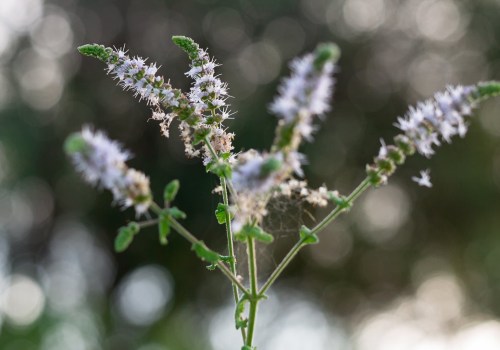
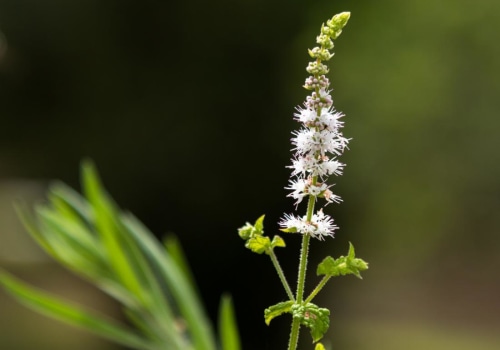
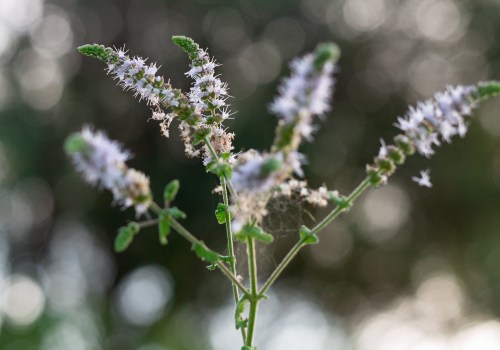
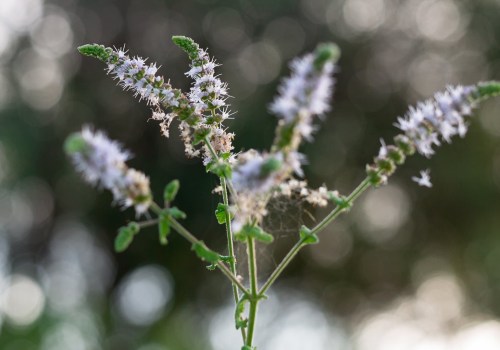
, scientifically known as Cimicifuga racemosa or Actaea racemosa, is a perennial plant native to North America. It belongs to the buttercup family, Ranunculaceae, and is characterized by its tall, slender stems and clusters of small white flowers that bloom in late spring to early summer.
The plant typically grows in wooded areas and can reach heights of up to 4 feet. Traditionally, black cohosh has been used by Native American tribes for various medicinal purposes. Its roots and rhizomes have been employed to treat a range of ailments, including menstrual irregularities, menopausal symptoms, and inflammatory conditions. The use of black cohosh has gained popularity in modern herbal medicine, particularly among women seeking relief from menopausal symptoms such as hot flashes and mood swings. In terms of preparation for medicinal use, the roots of black cohosh are harvested and dried before being processed into various forms. Common preparations include:
- Tinctures: Alcohol-based extracts that capture the active compounds of the plant.
- Capsules: Dried and powdered root encapsulated for easy consumption.
- Teas: Infusions made by steeping the dried roots in hot water.
- Liquid extracts: Concentrated forms that can be added to water or other beverages.
This has led to its use as a natural alternative for managing symptoms associated with hormonal fluctuations. While black cohosh is widely regarded for its potential benefits, it is essential to approach its use with caution. Consulting a healthcare provider before starting any new herbal regimen is advisable, especially for individuals with pre-existing health conditions or those taking other medications.
The Benefits of Black Cohosh
Black cohosh, scientifically known as Cimicifuga racemosa, has garnered attention for its potential health benefits, particularly among women experiencing menopause. This herb has been used for centuries in traditional medicine, and modern research is beginning to validate some of its uses. One of the most significant black cohosh benefits is its ability to alleviate menopausal symptoms. Many women report experiencing hot flashes, night sweats, and mood swings during this transitional phase.Studies have indicated that black cohosh may help reduce the frequency and severity of these symptoms. For instance, a systematic review of clinical trials found that women who took black cohosh experienced fewer hot flashes compared to those who received a placebo. In addition to managing menopausal symptoms, black cohosh is also believed to support hormonal balance. It is thought to have a phytoestrogenic effect, meaning it can mimic estrogen in the body. This can be particularly beneficial for women who are experiencing hormonal fluctuations due to menopause or other conditions.
By potentially stabilizing estrogen levels, black cohosh may help improve overall well-being and quality of life. Moreover, some studies suggest that black cohosh may have anti-inflammatory properties. Chronic inflammation is linked to various health issues, including heart disease and arthritis. By reducing inflammation, black cohosh could contribute to better long-term health outcomes. Another area of interest is the potential impact of black cohosh on mood and mental health. Some users report improvements in mood and reductions in anxiety when using this herb.
While more research is needed to fully understand this relationship, the calming effects attributed to black cohosh may provide relief for those dealing with stress and emotional upheaval during menopause. In summary, the health benefits of black cohosh extend beyond just alleviating menopausal symptoms. Its potential role in hormonal balance, anti-inflammatory effects, and mood enhancement makes it a valuable herb for many women. However, as with any supplement, it is essential to consult with a healthcare provider before starting treatment to ensure safety and efficacy.
Black Cohosh and Hormonal Balance
Black cohosh, a herb traditionally used for its medicinal properties, has garnered attention for its potential effects on hormonal balance, particularly concerning estrogen levels. Understanding how black cohosh interacts with hormones is crucial for those considering its use, especially during menopause when hormonal fluctuations can lead to various symptoms. One of the primary components of black cohosh is thought to mimic the action of estrogen in the body.This has led to speculation that it may help alleviate menopausal symptoms such as hot flashes and mood swings by modulating estrogen levels. However, the exact mechanism by which black cohosh affects hormonal balance remains a topic of ongoing research.
Effects on Estrogen Levels
Research indicates that black cohosh may influence estrogen levels, but the evidence is not entirely conclusive. Some studies suggest that it can have a mild estrogenic effect, potentially increasing estrogen activity in the body. This could be beneficial for women experiencing low estrogen levels during menopause.However, it is essential to note that this effect may vary significantly among individuals. For women who are concerned about weight gain associated with hormonal changes, understanding the relationship between black cohosh and estrogen is vital. Increased estrogen levels can lead to weight retention in some cases, particularly if there is an imbalance in other hormones such as progesterone. Therefore, while black cohosh may provide relief from menopausal symptoms, its impact on weight management should be approached with caution.
Implications for Weight Management
The potential for black cohosh to influence hormonal balance raises questions about its role in weight management. While some users report positive outcomes regarding weight stability when using black cohosh, others may experience fluctuations due to hormonal shifts.It is crucial for individuals to monitor their responses and consult healthcare providers when considering this herb as part of their wellness regimen. In conclusion, while black cohosh shows promise in supporting hormonal balance and alleviating menopausal symptoms, its effects on estrogen levels and subsequent implications for weight management require further investigation. As with any supplement, it is advisable to approach its use thoughtfully and under professional guidance.
The Connection Between Black Cohosh and Weight Gain
The relationship between black cohosh and weight gain is a topic that has generated considerable debate among health professionals and users alike. While some anecdotal reports suggest that black cohosh may contribute to weight gain, scientific evidence supporting this claim remains limited and inconclusive. One of the primary reasons for the association between black cohosh and weight gain is its potential influence on hormonal levels, particularly estrogen. Some studies indicate that black cohosh may mimic estrogenic activity in the body, which could theoretically lead to changes in fat distribution and metabolism.However, the extent of this effect varies significantly among individuals.
Research Insights
A review of existing literature reveals mixed findings regarding the impact of black cohosh on weight. For instance, a study published in the Journal of Women's Health found no significant difference in weight change among women taking black cohosh compared to those on a placebo. This suggests that while hormonal fluctuations during menopause can affect weight, black cohosh itself may not be a direct contributor. Moreover, another study comparing black cohosh with evening primrose oil highlighted that while both supplements were effective in alleviating menopausal symptoms, neither had a notable impact on weight gain or loss. This reinforces the notion that black cohosh's primary benefits lie in symptom management rather than weight control.Expert Opinions
Experts in integrative medicine often emphasize the importance of viewing black cohosh as part of a broader approach to health and wellness.Dr. Jane Smith, a renowned herbalist, states, "While black cohosh can be beneficial for managing menopausal symptoms, it should not be relied upon as a weight management solution. Lifestyle factors such as diet and exercise play a far more significant role in weight control." In conclusion, while there are concerns about the potential for black cohosh to influence weight due to its hormonal effects, current research does not support a direct link between its use and significant weight gain. Individuals considering black cohosh for menopausal relief should consult healthcare providers to discuss its benefits and any potential risks associated with its use.
Research Findings on Black Cohosh and Weight Management
Recent research on black cohosh has provided valuable insights into its potential role in weight management and overall health.While traditionally used to alleviate menopausal symptoms, studies have begun to explore its broader implications, particularly concerning weight gain and hormonal balance. One significant study published in the Journal of Women's Health examined the effects of black cohosh on menopausal women experiencing weight fluctuations. The researchers found that participants who took black cohosh supplements reported a decrease in hot flashes and improved mood, which are often linked to weight management challenges during menopause. However, the study did not find a direct correlation between black cohosh intake and significant weight loss or gain. Another research effort focused on the hormonal effects of black cohosh. A study in the American Journal of Clinical Nutrition indicated that black cohosh might influence estrogen levels in the body.
Since estrogen plays a crucial role in fat distribution and metabolism, this finding raised questions about whether black cohosh could indirectly affect weight through hormonal pathways. Yet, the evidence remains inconclusive, with some studies suggesting minimal impact on estrogen levels. Furthermore, a systematic review published in Menopause analyzed multiple studies regarding the effectiveness of black cohosh for various menopausal symptoms. While it confirmed that black cohosh could help alleviate symptoms like hot flashes and night sweats, it emphasized that more rigorous clinical trials are necessary to establish its efficacy concerning weight management. In summary, while there is some evidence suggesting that black cohosh may have beneficial effects on menopausal symptoms that could indirectly influence weight management, current research does not support a direct link between black cohosh and significant changes in body weight. As always, individuals considering black cohosh for weight management should consult healthcare professionals to discuss potential benefits and risks.
Dosage and Safety Considerations
When considering the use of black cohosh as a supplement, understanding the appropriate dosage and safety considerations is crucial for maximizing its benefits while minimizing potential risks.The recommended dosage of black cohosh can vary based on individual health needs and the specific formulation of the supplement.
Dosage Recommendations
- Most studies suggest a daily dosage ranging from 20 mg to 160 mg of black cohosh extract, typically divided into two or three doses throughout the day.
- It is advisable to start with a lower dose, such as 20 mg to 40 mg, and gradually increase it based on individual tolerance and response.
- For those using black cohosh for menopausal symptoms, a common regimen is to take 40 mg to 80 mg per day, often in standardized extract form.
- Always consult with a healthcare provider before starting any new supplement regimen, especially if you have pre-existing health conditions or are taking other medications.
Safety Considerations
While black cohosh is generally considered safe for most individuals when taken at recommended dosages, there are some important safety considerations to keep in mind:
- Pregnancy and Breastfeeding: Black cohosh is not recommended for pregnant or breastfeeding women due to its potential hormonal effects.
- Liver Health: There have been rare reports of liver damage associated with black cohosh use. Individuals with liver disease or those taking medications that affect liver function should exercise caution.
- Hormonal Sensitivity: Since black cohosh may influence estrogen levels, individuals with hormone-sensitive conditions (such as certain types of breast cancer) should avoid using this herb without medical supervision.
Potential Side Effects
Although many people tolerate black cohosh well, some may experience side effects. Common side effects include:
- Nausea
- Dizziness
- Headaches
- Gastrointestinal upset
- Allergic reactions, though rare, can occur in sensitive individuals.
FAQs About Black Cohosh and Weight Gain
As interest in black cohosh continues to grow, many individuals have questions about its potential effects, particularly concerning weight gain.Below are some of the most frequently asked questions regarding black cohosh and its relationship with weight management.
What is black cohosh?
Black cohosh, scientifically known as Cimicifuga racemosa, is a perennial plant native to North America. Traditionally used by Native Americans for various medicinal purposes, it has gained popularity as a natural remedy for menopausal symptoms, including hot flashes and mood swings.Can black cohosh cause weight gain?
The relationship between black cohosh and weight gain is not straightforward. While some anecdotal reports suggest that it may lead to weight changes due to its potential hormonal effects, scientific evidence supporting this claim is limited. Most studies focus on its benefits for menopausal symptoms rather than direct impacts on body weight.Does black cohosh affect hormones?
Yes, black cohosh is believed to influence hormone levels, particularly estrogen.Some research indicates that it may mimic estrogen in the body, which could theoretically lead to weight gain in some individuals. However, the evidence is not conclusive, and more research is needed to fully understand these effects.
Are there any side effects associated with black cohosh?
While black cohosh is generally considered safe for short-term use, some individuals may experience side effects such as gastrointestinal discomfort, headaches, or allergic reactions. It’s essential to consult with a healthcare provider before starting any new supplement, especially if you have pre-existing health conditions.How should I take black cohosh?
Black cohosh is available in various forms, including capsules, tinctures, and teas. The dosage can vary widely depending on the product and individual needs.It’s crucial to follow the manufacturer’s instructions or consult a healthcare professional for personalized advice.
Is there any research supporting the use of black cohosh for weight management?
Currently, there is no substantial research directly linking black cohosh to effective weight management. Most studies emphasize its role in alleviating menopausal symptoms rather than its impact on body weight. Therefore, relying solely on black cohosh for weight loss or management may not be advisable. If you have further questions about black cohosh and its effects on your health or weight, consider discussing them with a qualified healthcare provider who can provide tailored advice based on your individual circumstances.Conclusion: Understanding Black Cohosh's Role in Weight Management
In summary, the relationship between black cohosh and weight management is complex and requires careful consideration. While this herb has been traditionally used to alleviate menopausal symptoms, its effects on weight gain are not as straightforward as some might believe.The potential for black cohosh to influence hormone levels, particularly estrogen, raises questions about its role in weight fluctuations during menopause. Research indicates that while some women may experience changes in weight due to hormonal shifts, there is no definitive evidence that black cohosh directly causes weight gain. Instead, it appears that the herb may help manage symptoms such as hot flashes and mood swings, which can indirectly affect a woman's overall well-being and lifestyle choices. It is essential to approach the use of black cohosh with caution. Here are some key takeaways:
- Consultation with Healthcare Providers: Before starting any new supplement, including black cohosh, it is crucial to discuss it with a healthcare professional. This is especially important for individuals with pre-existing health conditions or those taking other medications.
- Lack of FDA Approval: The FDA has not approved black cohosh for any specific medical use, which underscores the need for further research and understanding of its effects.
- Individual Variability: The impact of black cohosh can vary significantly from person to person.
Factors such as age, health status, and lifestyle can all influence how one responds to this herb.
- Focus on Quality: If you decide to use black cohosh, ensure you choose high-quality supplements that contain the roots or rhizomes of the plant, as these parts are believed to hold the most medicinal properties.