Menopause is a natural biological process that marks the end of a woman's reproductive years, typically occurring between the ages of 45 and 55. This transition is characterized by a significant decline in hormone production, particularly estrogen and progesterone, leading to various physical and emotional changes. Understanding menopause is essential for women as it can help them navigate this phase of life with greater awareness and preparedness. The journey through menopause can be divided into three distinct stages: perimenopause, menopause, and postmenopause. Perimenopause is the transitional phase that can begin several years before menopause itself. During this time, women may experience irregular menstrual cycles, hot flashes, night sweats, and mood swings as hormone levels fluctuate.
Once a woman has gone 12 consecutive months without a menstrual period, she is considered to be in menopause. Following this stage is postmenopause , which lasts for the rest of a woman's life and is marked by the absence of menstrual cycles and a further decrease in hormone levels. Common symptoms associated with menopause can vary widely among women but often include:
- Hot flashes: Sudden feelings of warmth that can cause sweating and discomfort.
- Night sweats: Episodes of excessive sweating during sleep that can disrupt rest.
- Mood changes: Increased irritability, anxiety, or depression due to hormonal shifts.
- Sleep disturbances: Difficulty falling or staying asleep, often linked to night sweats.
- Vaginal dryness: Reduced lubrication that can lead to discomfort during intercourse.
- Memory issues: Some women report difficulties with concentration or memory during this time.
What is Black Cohosh?
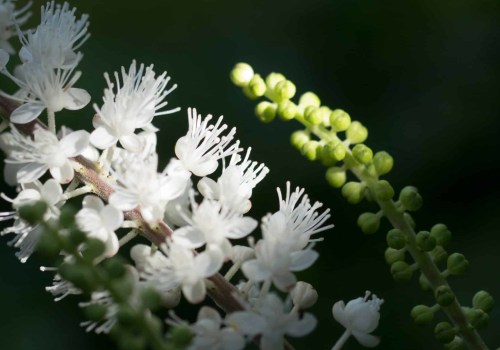
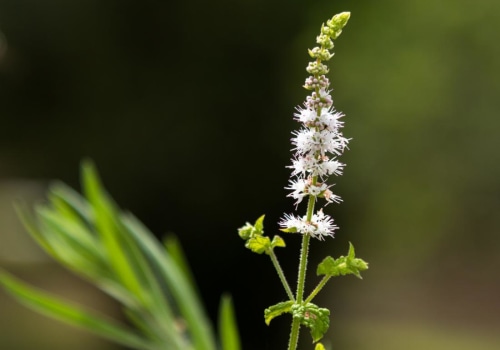
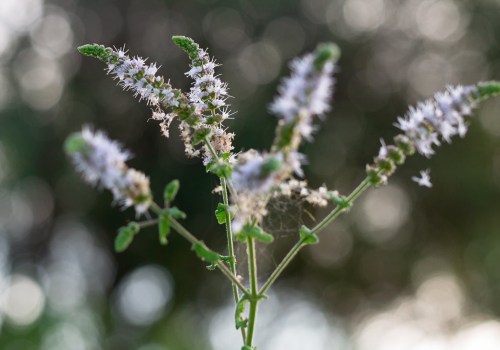
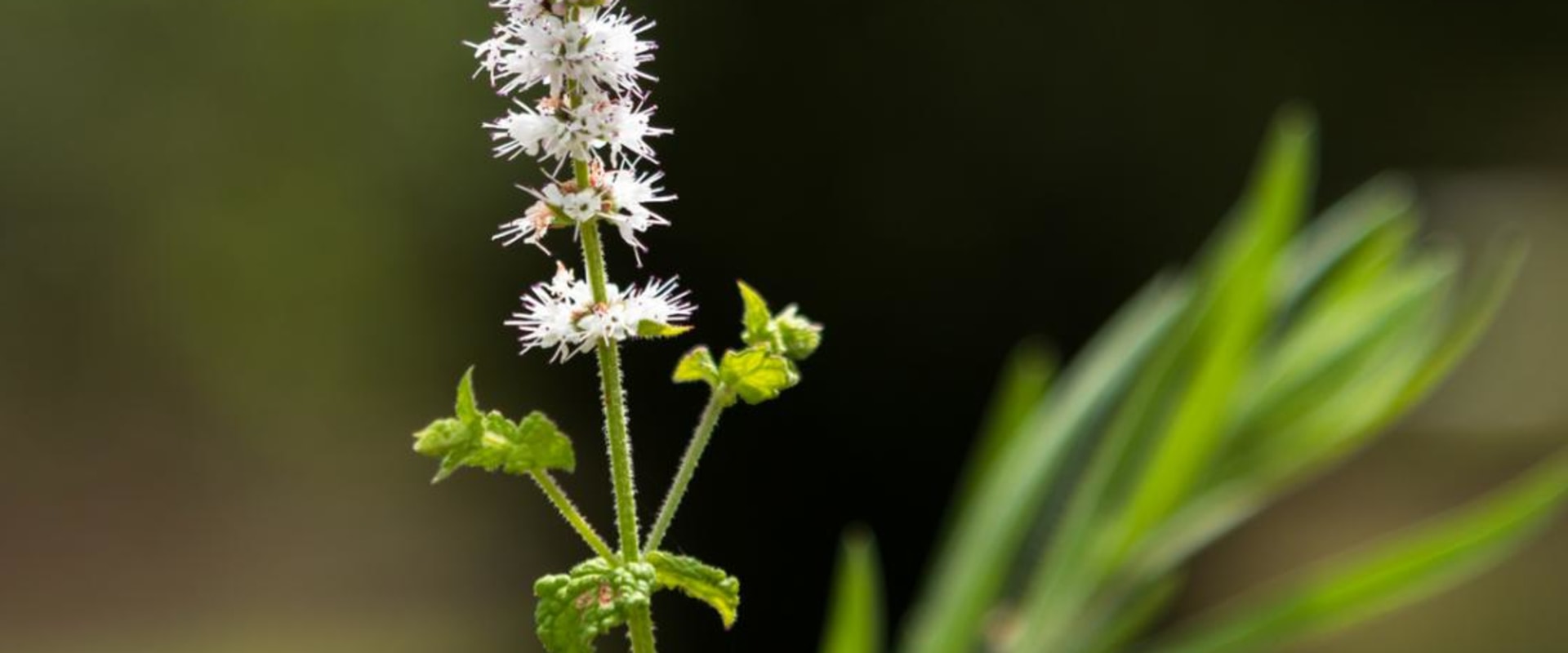
Black cohosh, scientifically known as Actaea racemosa, is a perennial herbaceous plant that belongs to the buttercup family, Ranunculaceae. This plant is native to North America, particularly thriving in the eastern regions of the United States and Canada.Black cohosh is characterized by its tall, slender stems that can reach heights of up to four feet, with feathery, compound leaves that are dark green in color. The plant produces striking white to pale yellow flowers that bloom in late spring to early summer, forming elongated clusters known as racemes. The historical use of black cohosh dates back centuries, particularly among Native American tribes who recognized its potential medicinal properties. Traditionally, it was employed to treat a variety of ailments, including menstrual irregularities, labor pains, and symptoms associated with menopause. The roots and rhizomes of the plant were often harvested and prepared as teas or tinctures, showcasing the herb's versatility in traditional medicine. In the 19th century, black cohosh gained popularity among European settlers who adopted its use for similar purposes.
It became a common ingredient in various herbal remedies and was even included in some pharmacopoeias of the time. The herb's reputation as a natural remedy for women's health issues continued to grow, leading to its inclusion in modern dietary supplements aimed at alleviating menopause symptoms. Today, black cohosh is widely recognized for its potential benefits in managing menopause-related symptoms such as hot flashes and mood swings. Despite its long history of use, ongoing research aims to better understand the mechanisms behind its effects and establish guidelines for safe consumption. In summary, black cohosh is not only a plant with rich botanical characteristics but also one steeped in historical significance. Its journey from traditional Native American medicine to contemporary herbal supplements highlights its enduring relevance in women's health.
The Science Behind Black Cohosh: How It Works
Black cohosh, scientifically known as Actaea racemosa, is a perennial herb that has garnered attention for its potential to alleviate menopause symptoms.The efficacy of black cohosh is attributed to its active compounds, primarily triterpene glycosides, which are believed to interact with various physiological pathways in the body. One of the key mechanisms through which black cohosh exerts its effects is by influencing the body's hormonal balance. Although it does not contain estrogen, some studies suggest that black cohosh may mimic estrogenic activity. This is particularly relevant for women experiencing menopause, as estrogen levels decline significantly during this phase. By binding to estrogen receptors, black cohosh may help alleviate symptoms such as hot flashes and night sweats. Additionally, black cohosh is thought to have an impact on neurotransmitters in the brain, particularly serotonin.
Research indicates that the herb may enhance serotonin receptor activity, which can contribute to mood stabilization and reduction of anxiety—common issues faced by women during menopause. This dual action on both hormonal and neurological systems makes black cohosh a unique candidate for managing menopause symptoms. Moreover, the anti-inflammatory properties of black cohosh cannot be overlooked. Chronic inflammation has been linked to various menopausal symptoms, including joint pain and mood swings. The herb's ability to reduce inflammation may provide additional relief for women experiencing these discomforts. While the exact mechanisms of action are still being studied, the combination of hormonal modulation, neurotransmitter influence, and anti-inflammatory effects positions black cohosh as a promising natural remedy for menopause symptoms.
However, it is essential for individuals considering this supplement to consult healthcare professionals to ensure it aligns with their health needs and conditions.
Black Cohosh Benefits for Menopause Symptoms
Black cohosh has gained significant attention as a natural remedy for alleviating various symptoms associated with menopause. Many women experience a range of discomforts during this transitional phase, including hot flashes, mood swings, and sleep disturbances. Understanding the benefits of black cohosh can help women make informed decisions about their health and wellness during menopause. One of the most commonly reported benefits of black cohosh is its effectiveness in reducing the frequency and intensity of hot flashes. Research indicates that this herb may help to balance hormonal fluctuations that contribute to these sudden feelings of warmth.A study published in the Journal of Women's Health found that women who took black cohosh experienced a significant reduction in hot flash episodes compared to those who received a placebo. In addition to hot flashes, many women report experiencing mood swings during menopause. The hormonal changes can lead to increased irritability, anxiety, and even depression. Black cohosh may play a role in stabilizing mood by influencing neurotransmitter activity in the brain. Some studies suggest that it can help improve overall emotional well-being, making it a valuable option for those seeking menopause relief . Another area where black cohosh shows promise is in improving sleep quality.
Sleep disturbances are common during menopause, often exacerbated by night sweats and anxiety. By alleviating these symptoms, black cohosh may contribute to more restful sleep. A clinical trial indicated that participants who used black cohosh reported better sleep patterns and reduced insomnia symptoms. While the benefits of black cohosh are promising, it is essential to approach its use with caution. Not all women will experience the same level of effectiveness, and individual responses can vary widely.
Consulting with a healthcare provider before starting any new supplement regimen is crucial to ensure safety and appropriateness based on personal health history. In summary, the potential benefits of black cohosh for managing menopause symptoms are noteworthy. From reducing hot flashes and stabilizing mood to improving sleep quality, this herbal remedy offers a natural alternative for many women navigating this challenging life stage. As research continues to evolve, black cohosh remains a focal point for those seeking effective solutions for menopause-related discomforts.
Research and Evidence: What Studies Say About Black Cohosh
Research on black cohosh has gained momentum in recent years, particularly concerning its potential benefits for managing menopause symptoms. Numerous studies have been conducted to evaluate its efficacy and safety, providing a clearer picture of how this herbal remedy may assist women during this transitional phase of life. One of the most significant studies was a randomized, double-blind, placebo-controlled trial published in the Journal of Women's Health.This study involved over 300 women experiencing moderate to severe menopausal symptoms. Participants were given either black cohosh or a placebo for 12 weeks. The results indicated that those taking black cohosh reported a significant reduction in hot flashes and night sweats compared to the placebo group. This suggests that black cohosh may be effective in alleviating some of the most distressing symptoms associated with menopause. Another important piece of research was conducted by the North American Menopause Society, which reviewed multiple clinical trials involving black cohosh.
Their findings concluded that while some studies showed positive outcomes, others did not demonstrate significant benefits. This inconsistency highlights the need for further research to establish standardized dosages and formulations that maximize its effectiveness. In addition to symptom relief, safety is a crucial aspect of any supplement's profile. A comprehensive review published in Menopause assessed the safety of black cohosh over long-term use. The review found that black cohosh is generally well-tolerated, with few reported side effects.
However, it also noted that some women experienced mild gastrointestinal issues and headaches. Importantly, there was no strong evidence linking black cohosh to an increased risk of breast cancer, which has been a concern among healthcare providers. Despite these promising findings, it is essential to approach black cohosh with caution. The variability in study results suggests that individual responses may differ significantly. Therefore, consulting with a healthcare professional before starting any new supplement regimen is advisable. In summary, while current research indicates potential benefits of black cohosh for managing menopause symptoms, further studies are necessary to confirm its efficacy and safety comprehensively.
As more data becomes available, women can make informed decisions about incorporating this herbal remedy into their health strategies.
Potential Side Effects and Risks of Black Cohosh
While black cohosh is often praised for its potential benefits in alleviating menopause symptoms, it is essential to consider the potential side effects and risks associated with its use. Understanding these factors can help individuals make informed decisions about incorporating this herbal supplement into their health regimen.Common Side Effects
Some users of black cohosh have reported experiencing mild side effects. These may include:- Gastrointestinal Issues: Some individuals may experience an upset stomach, nausea, or diarrhea after taking black cohosh.
- Headaches: Headaches are another common complaint among users, which can vary in intensity.
- Skin Reactions: Allergic reactions such as rashes or itching may occur in some individuals, particularly those with sensitivities to plants in the buttercup family.
- Dizziness: A feeling of lightheadedness or dizziness has been reported, which could affect daily activities.
Serious Risks and Safety Concerns
Although serious side effects are rare, there are some significant risks associated with black cohosh that warrant attention:- Liver Health: There have been isolated reports of liver damage linked to black cohosh use. Symptoms of liver issues may include jaundice (yellowing of the skin or eyes), dark urine, and abdominal pain.
Individuals with pre-existing liver conditions should exercise caution and consult a healthcare provider before using this supplement.
- Hormonal Effects: Black cohosh is thought to have estrogen-like effects, which raises concerns for individuals with hormone-sensitive conditions, such as breast cancer. It is crucial for those with a history of such conditions to discuss the use of black cohosh with their healthcare provider.
- Drug Interactions: Black cohosh may interact with certain medications, including blood thinners and hormone therapies. This interaction could either enhance or diminish the effectiveness of these drugs, leading to unintended consequences.
How to Use Black Cohosh Safely: Dosage and Recommendations
When considering the use of black cohosh for alleviating menopause symptoms, it is essential to understand how to use this supplement safely and effectively.Proper dosage and form can significantly influence its benefits and minimize potential side effects.
Recommended Dosage
The typical dosage of black cohosh varies depending on the form in which it is taken. Most studies suggest a daily dose ranging from 20 to 80 milligrams of standardized extract. It is crucial to follow the manufacturer's instructions or consult with a healthcare professional for personalized recommendations.Forms of Black Cohosh
Black cohosh is available in several forms, each with its own advantages:- Capsules or Tablets: These are the most common forms and offer a convenient way to consume black cohosh. They typically contain a standardized extract, ensuring consistent dosing.
- Tinctures: Liquid extracts can be more easily absorbed by the body.
Tinctures allow for flexible dosing, as users can adjust the amount based on their needs.
- Teas: While less concentrated than capsules or tinctures, black cohosh tea can be a soothing option. However, it may require larger quantities to achieve the desired effects.
How to Take Black Cohosh
To maximize the benefits of black cohosh, consider the following tips:- Consistency: Take black cohosh regularly for at least four to six weeks to assess its effectiveness. Many users report gradual improvements in symptoms over time.
- With Food: Taking black cohosh with meals may help reduce any potential gastrointestinal discomfort.
- Avoiding Interactions: If you are taking other medications or supplements, consult your healthcare provider to avoid any adverse interactions.
Consulting with Healthcare Professionals: Why It Matters
When considering the use of supplements like black cohosh for managing menopause symptoms, it is crucial to consult with a healthcare professional.This step is not merely a formality; it plays a vital role in ensuring your safety and well-being. Here are several reasons why seeking professional advice is essential:
- Personalized Recommendations: Every individual’s health profile is unique. A healthcare provider can assess your specific health needs, existing conditions, and medications to recommend the most suitable supplements for you.
- Understanding Potential Interactions: Supplements can interact with prescription medications or other over-the-counter products. A healthcare professional can help identify any potential interactions that could lead to adverse effects.
- Monitoring Side Effects: While many people tolerate black cohosh well, some may experience side effects.
Consulting with a healthcare provider allows for proper monitoring and management of any adverse reactions that may arise.
- Evidence-Based Guidance: Healthcare professionals stay updated on the latest research and clinical guidelines regarding supplements. They can provide evidence-based recommendations that align with current medical standards.
- Holistic Approach: Menopause management often requires a multifaceted approach. A healthcare provider can suggest lifestyle changes, dietary adjustments, and other therapies alongside supplements to create a comprehensive treatment plan.
By prioritizing this step, you empower yourself to make informed decisions about your health and well-being.
Frequently Asked Questions About Black Cohosh and Menopause
As interest in black cohosh as a natural remedy for menopause symptoms grows, many individuals have questions about its efficacy, safety, and usage. Below are some of the most frequently asked questions regarding black cohosh and its role in managing menopause symptoms.What is black cohosh?
Black cohosh is a flowering plant native to North America, traditionally used by Native Americans for various ailments, including menstrual discomfort and menopausal symptoms. The root of the plant is commonly used in supplements aimed at alleviating hot flashes, mood swings, and other menopause-related issues.How does black cohosh work?
The exact mechanism of action of black cohosh is not fully understood. However, it is believed to interact with estrogen receptors in the body, potentially mimicking estrogen's effects.This can help alleviate some symptoms associated with menopause, such as hot flashes and night sweats.
Is black cohosh safe to use?
Generally, black cohosh is considered safe for most women when taken in recommended doses. However, some individuals may experience mild side effects such as stomach upset or headaches. It is crucial to consult with a healthcare provider before starting any new supplement, especially if you have existing health conditions or are taking other medications.Can black cohosh help with all menopause symptoms?
While many women report relief from hot flashes and mood swings when using black cohosh, it may not be effective for everyone or for all menopause symptoms. Some studies suggest that it may not significantly impact vaginal dryness or sleep disturbances.Individual responses can vary widely.
How long does it take to see results?
The time it takes to experience the benefits of black cohosh can vary from person to person. Some women may notice improvements within a few weeks, while others might require several months of consistent use to see significant changes in their symptoms.Are there any interactions with medications?
Yes, black cohosh may interact with certain medications, including hormone therapies and blood thinners. It is essential to discuss your current medications with a healthcare professional before starting black cohosh to avoid potential interactions.Where can I find black cohosh supplements?
Black cohosh supplements are widely available at health food stores, pharmacies, and online retailers. When purchasing supplements, look for reputable brands that provide third-party testing to ensure quality and potency. In summary, while black cohosh shows promise as a natural remedy for managing menopause symptoms, it is essential to approach its use thoughtfully and consult with a healthcare provider for personalized advice.Conclusion: The Role of Black Cohosh in Managing Menopause Symptoms
In summary, black cohosh has emerged as a significant herbal remedy for managing menopause symptoms, particularly for women seeking alternatives to hormone replacement therapy.Its long history of use in traditional medicine, combined with modern research, highlights its potential benefits while also emphasizing the importance of informed usage.
Key Benefits of Black Cohosh:
- Reduction of Hot Flashes: Numerous studies have indicated that black cohosh may effectively reduce the frequency and intensity of hot flashes, a common and often distressing symptom of menopause.
- Improved Mood and Sleep Quality: Some women report enhanced mood stability and better sleep patterns when using black cohosh, which can be particularly beneficial during the hormonal fluctuations of menopause.
- Overall Well-Being: Beyond specific symptoms, many users of black cohosh have noted an overall improvement in their sense of well-being, contributing to a more positive experience during this transitional phase of life.
- Consult a Healthcare Professional: Before starting any new supplement regimen, including black cohosh, it is essential to discuss it with a healthcare provider who can offer personalized advice based on individual health needs and conditions.
- Choose Quality Products: Opt for reputable brands that provide transparency regarding their sourcing and manufacturing processes to ensure you are getting a high-quality product.
- Monitor Your Symptoms: Keep track of any changes in your symptoms or side effects after starting black cohosh to assess its effectiveness and safety for your specific situation.
Each woman's experience with menopause is unique, and what works for one may not work for another. Therefore, further exploration into this herbal remedy, along with professional guidance, can empower women to make informed decisions about their health during menopause.