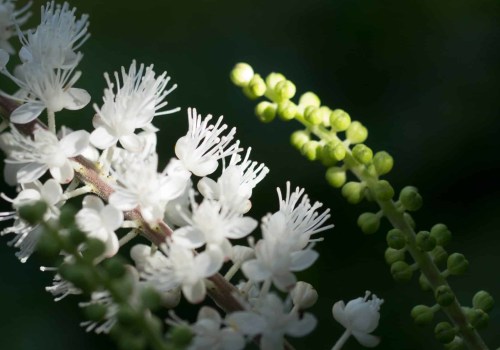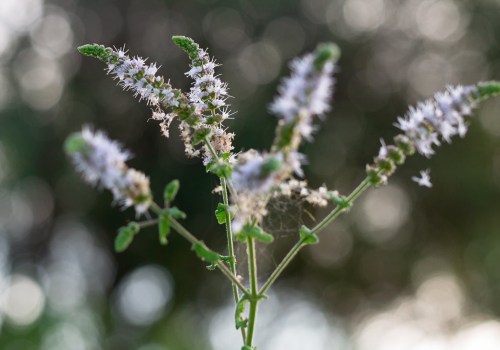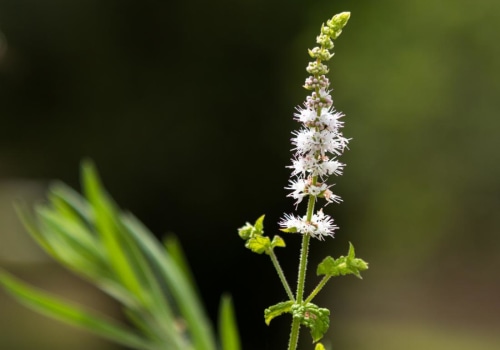
Black cohosh, scientifically known as Actaea racemosa, is a perennial plant native to North America, particularly thriving in the rich, moist woodlands of the eastern United States. This herb has a long-standing history of use among Native American tribes, who utilized it for various ailments, including menstrual discomfort and menopausal symptoms. The roots and rhizomes of black cohosh have been harvested for centuries, not only for their medicinal properties but also for their role in traditional rituals and practices. Historically, black cohosh was revered for its ability to alleviate symptoms associated with women's health issues. Indigenous peoples recognized its potential to ease labor pains and regulate menstrual cycles, making it a staple in their herbal medicine cabinets.
As European settlers arrived, they adopted many Native American remedies, including black cohosh, which soon became popular in Western herbalism. By the 19th century, it was commonly included in pharmacopoeias and was widely used to treat a variety of conditions. In modern times, black cohosh has gained significant attention as a natural remedy for menopausal symptoms such as hot flashes, night sweats, and mood swings. Its rise in popularity can be attributed to the growing interest in herbal medicine as an alternative to hormone replacement therapy (HRT). Despite its historical roots and anecdotal evidence supporting its efficacy, scientific research on black cohosh remains limited, leading to ongoing debates about its true benefits and safety. As we delve deeper into the world of black cohosh, it is essential to understand not only its historical significance but also its potential role in contemporary health practices.
This exploration will provide valuable insights into how this ancient herb continues to influence modern approaches to women's health.
The Science Behind Black Cohosh: Active Compounds and Mechanisms
Understanding the active compounds in black cohosh is essential for grasping how this herbal remedy may provide its various benefits. The primary bioactive components of black cohosh include triterpene glycosides , flavonoids , and phenolic acids. Each of these compounds plays a role in the plant's therapeutic effects, particularly concerning hormonal balance and menopausal symptom relief.Triterpene glycosides
, such as actein and cimicifugoside, are believed to be the most significant active ingredients in black cohosh. These compounds are thought to interact with estrogen receptors in the body, mimicking some of the hormone's effects.
This interaction may help alleviate symptoms like hot flashes and night sweats commonly experienced during menopause. Another important group of compounds, flavonoids , are known for their antioxidant properties. They help combat oxidative stress in the body, which can contribute to various health issues, including hormonal imbalances. By reducing oxidative stress, flavonoids may support overall hormonal health and improve well-being during menopause. The mechanisms through which black cohosh operates are still being studied, but several theories exist:
- Estrogenic Activity: As mentioned, triterpene glycosides may bind to estrogen receptors, providing a natural alternative for those seeking relief from menopausal symptoms without hormone replacement therapy.
- Neurotransmitter Modulation: Some research suggests that black cohosh may influence neurotransmitters like serotonin, which can affect mood and emotional well-being during menopause.
- Anti-inflammatory Effects: The anti-inflammatory properties of black cohosh may also play a role in its effectiveness, as inflammation can exacerbate menopausal symptoms.
Understanding these mechanisms is crucial for evaluating its benefits and determining its place in integrative health practices.
Exploring the Benefits of Black Cohosh
Black cohosh has garnered attention for its potential health benefits, particularly among women experiencing menopausal symptoms and those dealing with conditions like polycystic ovary syndrome (PCOS). Understanding these benefits can help individuals make informed decisions about incorporating this herbal remedy into their health regimen.Black Cohosh for Menopause
One of the most well-documented uses of black cohosh is for alleviating symptoms associated with menopause. Many women report experiencing hot flashes, night sweats, and mood swings during this transitional phase. Research indicates that black cohosh may help mitigate these symptoms effectively.A systematic review published in Menopause found that women who took black cohosh experienced a significant reduction in the frequency and severity of hot flashes compared to those who received a placebo. The active compounds in black cohosh are believed to interact with serotonin receptors in the brain, which may help regulate body temperature and mood. This mechanism is particularly beneficial for women seeking natural alternatives to hormone replacement therapy (HRT), which can have various side effects.
Black Cohosh for PCOS
In addition to its benefits for menopausal symptoms, black cohosh may also offer advantages for individuals with PCOS. This condition is characterized by hormonal imbalances that can lead to irregular menstrual cycles, weight gain, and fertility issues. Some studies suggest that black cohosh may help restore hormonal balance and improve menstrual regularity.- A study published in the Journal of Clinical Endocrinology & Metabolism indicated that women with PCOS who supplemented with black cohosh experienced improvements in insulin sensitivity and reduced androgen levels.
- Another clinical trial found that participants taking black cohosh reported fewer symptoms related to menstrual irregularities, suggesting its potential role in managing PCOS-related issues.
Consulting a healthcare provider before starting any new supplement is crucial, especially for individuals with pre-existing health conditions or those taking other medications. In summary, the potential benefits of black cohosh extend beyond menopausal relief to include support for women facing challenges related to PCOS. As research continues to evolve, it will be vital to stay informed about the latest findings regarding this herbal remedy.
Potential Risks and Side Effects of Black Cohosh
While black cohosh is often praised for its potential benefits, it is essential to consider the risks and side effects associated with its use. Understanding these factors can help individuals make informed decisions about whether this herbal remedy is suitable for them.Common Side Effects
- Gastrointestinal Issues: Some users report experiencing stomach upset, nausea, or diarrhea after taking black cohosh. These symptoms can vary in severity and may be more pronounced in individuals with sensitive digestive systems.
- Headaches: Headaches are another commonly reported side effect.
While not everyone will experience this, those who are prone to migraines or tension headaches may find that black cohosh exacerbates their condition.
- Dizziness: A feeling of lightheadedness or dizziness can occur, particularly when starting the supplement or increasing the dosage.
Potential Risks
In addition to side effects, there are specific risks associated with black cohosh that warrant attention:
- Liver Health: There have been rare reports of liver damage linked to black cohosh use. Individuals with pre-existing liver conditions or those taking medications that affect liver function should exercise caution and consult a healthcare provider before using this herb.
- Hormonal Effects: Black cohosh may influence hormone levels in the body. As such, it is not recommended for individuals who are pregnant or breastfeeding, as it could potentially affect fetal development or milk production.
- Drug Interactions: Black cohosh can interact with certain medications, including hormone replacement therapy and anticoagulants. It is crucial to discuss any current medications with a healthcare professional before starting black cohosh.
Who Should Avoid Black Cohosh?
Certain groups of people should avoid using black cohosh altogether:
- Pregnant and Breastfeeding Women: Due to its hormonal effects, it is advisable for pregnant and breastfeeding women to steer clear of black cohosh.
- Individuals with Liver Disorders: Those with liver issues should consult their healthcare provider before considering black cohosh, as it may exacerbate existing conditions.
- People on Hormonal Medications: If you are taking medications that affect hormone levels, such as birth control pills or hormone replacement therapy, it is essential to discuss the use of black cohosh with your doctor.
Consulting a healthcare professional can provide personalized guidance based on individual health needs and circumstances.
Dosage Recommendations and Forms of Black Cohosh
When considering the use of black cohosh for managing menopausal symptoms or other health issues, understanding the appropriate dosage and forms available is crucial for both safety and effectiveness. The dosage can vary significantly based on individual needs, the specific condition being treated, and the form of black cohosh being used.Recommended Dosages
Research studies have indicated that the effective dosage of black cohosh typically ranges from 40 to 160 milligrams per day. Most clinical trials have utilized standardized extracts, which are more reliable than raw plant forms. Here are some general guidelines:- Standardized Extracts: For standardized extracts, a common recommendation is to take between 40 to 80 milligrams twice daily.
- Non-Standardized Forms: If using non-standardized forms, such as dried root or tea, it is advisable to consult with a healthcare provider for specific guidance, as the potency can vary widely.
- Duration of Use: Many studies suggest that benefits may be observed after taking black cohosh consistently for at least two to three months .
Forms of Black Cohosh
Black cohosh is available in several forms, each with its own advantages and considerations:- Tablets and Capsules: These are among the most common forms and offer a convenient way to consume black cohosh.
They often contain standardized extracts, ensuring consistent dosing.
- Tinctures: Liquid extracts can be taken directly or mixed with water. Tinctures may provide faster absorption but require careful measurement to ensure proper dosing.
- Teas: Herbal teas made from black cohosh root can be soothing and enjoyable. However, the concentration of active ingredients may be less predictable compared to standardized extracts.
Black Cohosh: Interactions with Other Medications
Understanding the potential interactions between black cohosh and other medications is crucial for anyone considering its use, especially those on multiple prescriptions.While black cohosh is often touted for its benefits in managing menopausal symptoms, it can also influence how other drugs work in the body.
Common Drug Interactions
- Hormonal Medications: Black cohosh may mimic estrogen in the body, which can lead to interactions with hormonal therapies such as birth control pills or hormone replacement therapy (HRT). This could potentially enhance or diminish the effects of these medications.
- Anticoagulants: There is some evidence suggesting that black cohosh may affect blood clotting. If you are taking anticoagulants like warfarin, it is essential to consult your healthcare provider, as combining these could increase the risk of bleeding.
- Liver Metabolized Drugs: Black cohosh may influence liver enzymes responsible for metabolizing various medications. This can alter the effectiveness of drugs processed by the liver, including certain antidepressants and anti-seizure medications.
Medications to Avoid
If you are considering black cohosh, it is advisable to avoid:
- Other herbal supplements that affect hormone levels, such as red clover or soy, as they may compound effects.
- Medications that have a known interaction with liver enzymes, such as statins or some cancer treatments.
Safety Considerations
The safety of using black cohosh alongside other drugs largely depends on individual health conditions and the specific medications involved.
Always inform your healthcare provider about all supplements and medications you are taking. They can help assess potential risks and adjust dosages or suggest alternatives if necessary. In summary, while black cohosh can offer benefits for managing menopausal symptoms, understanding its interactions with other medications is vital for ensuring safety and efficacy. Always consult with a healthcare professional before starting any new supplement regimen.
Choosing Quality Black Cohosh Supplements: What to Look For
When it comes to selecting high-quality black cohosh supplements, the choices can be overwhelming due to the vast array of products available on the market. To ensure you are making a safe and effective choice, consider the following key factors:- Source of Ingredients: Always check where the black cohosh is sourced from.
The best products use roots from the Actaea racemosa plant, which is native to North America. Look for brands that specify their sourcing practices and ensure they are sustainable.
- Standardization: Quality supplements should be standardized to contain a specific percentage of active compounds, such as triterpene glycosides. This ensures consistency in potency and effectiveness. Aim for products that clearly state their standardization on the label.
- Third-Party Testing: Reputable brands often submit their products for third-party testing to verify purity and potency.
Look for seals or certifications from independent organizations that confirm the product has been tested for contaminants and meets quality standards.
- Formulation: Black cohosh is available in various forms, including capsules, tablets, tinctures, and teas. Choose a form that fits your lifestyle and preferences. Capsules and tablets are convenient, while tinctures may offer faster absorption.
- Transparency: A trustworthy manufacturer will provide clear information about their product's ingredients, dosage recommendations, and potential side effects. Avoid brands that lack transparency or provide vague descriptions.
- Customer Reviews: Reading customer reviews can provide insight into the effectiveness and quality of a product.
Look for feedback from users who have similar health concerns to yours, as this can help gauge how well the supplement may work for you.
Frequently Asked Questions About Black Cohosh
As interest in black cohosh continues to grow, many individuals have questions about its safety, efficacy, and usage. Below are some of the most frequently asked questions regarding this herbal supplement.What is black cohosh used for?
Black cohosh is primarily known for its potential benefits in alleviating symptoms associated with menopause, such as:- Hot flashes
- Night sweats
- Mood swings
- Sleep disturbances
Is black cohosh safe to use?
While many people tolerate black cohosh well, it is essential to consider individual health conditions. Here are some important safety considerations:- Pregnancy and breastfeeding: Black cohosh is not recommended for pregnant or breastfeeding women due to its potential hormonal effects.
- Liver health: Individuals with liver disorders should consult a healthcare provider before using black cohosh, as there have been rare reports of liver damage associated with its use.
- Drug interactions: Black cohosh may interact with certain medications, including hormone therapies and anticoagulants.
Always discuss with your doctor if you are taking other medications.
How long does it take for black cohosh to work?
The time it takes for black cohosh to show effects can vary significantly among individuals. Some users report improvements in symptoms within a few weeks, while others may need to take it for several months to notice any benefits. It is advisable to follow the recommended dosage on the product label and consult a healthcare professional for personalized guidance.Are there any side effects associated with black cohosh?
Although generally considered safe, some users may experience side effects such as:- Gastrointestinal issues: Nausea, stomach upset, or diarrhea.
- Headaches: Some individuals report headaches after taking black cohosh.
- Dizziness: A few users have experienced dizziness or lightheadedness.
Conclusion: Weighing the Benefits Against the Risks of Black Cohosh
In summary, the exploration of black cohosh benefits reveals a complex interplay between potential advantages and associated risks. This herbal remedy has garnered attention primarily for its ability to alleviate menopausal symptoms, particularly hot flashes, which can significantly impact the quality of life for many women.Additionally, emerging research suggests that black cohosh may offer benefits for conditions such as polycystic ovary syndrome (PCOS) and even weight management. However, it is crucial to approach these findings with caution. While many individuals report positive outcomes from using black cohosh, the variability in response underscores the need for personalized healthcare approaches. The effectiveness of this supplement can differ widely among individuals due to factors such as hormonal balance, overall health, and concurrent medications. Therefore, what works for one person may not yield the same results for another. Moreover, potential risks cannot be overlooked.
Although black cohosh is generally considered safe for short-term use, it may cause side effects in some individuals and interact with other medications. Its influence on hormone levels raises concerns for specific populations, including pregnant or breastfeeding women and those with liver disorders. These factors highlight the importance of consulting with a healthcare provider before incorporating black cohosh into your wellness routine. Ultimately, while black cohosh may present promising benefits, it is essential to weigh these against the potential risks. Engaging in an open dialogue with a healthcare professional can provide valuable insights tailored to your unique health needs.
They can help you navigate the complexities of herbal supplements and ensure that any new regimen aligns with your overall health strategy. In conclusion, informed decision-making is key when considering black cohosh as a supplement. By understanding both its potential benefits and risks, you can make choices that support your health and well-being effectively.