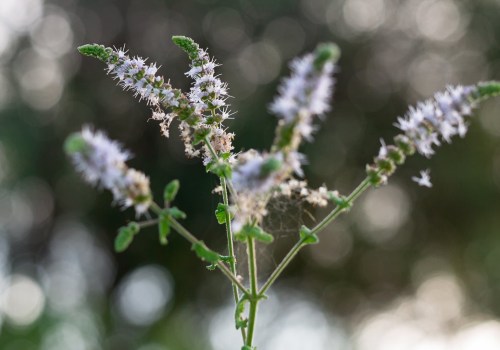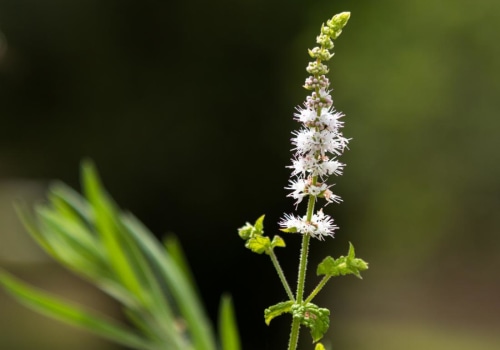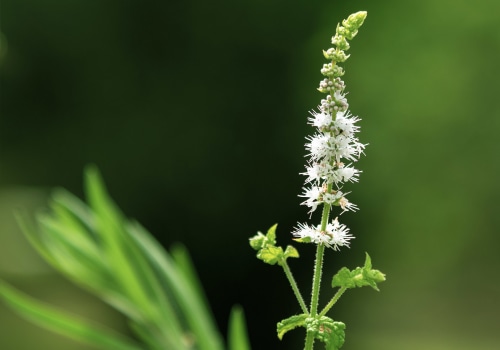
Black cohosh, scientifically known as Actaea racemosa, is a perennial herb native to North America, particularly found in the eastern United States. Historically, it has been utilized by Native American tribes for various medicinal purposes, including the treatment of menstrual discomfort and menopausal symptoms. Its roots have been a staple in herbal medicine for centuries, revered for their potential to alleviate conditions associated with hormonal fluctuations. In recent years, black cohosh has gained significant attention in the realm of natural health, particularly among women seeking relief from menopausal symptoms such as hot flashes, night sweats, and mood swings. The herb is often marketed as a natural alternative to hormone replacement therapy (HRT), appealing to those who prefer to avoid synthetic medications.
However, while many users report positive experiences, it is essential to approach black cohosh with a balanced perspective, considering both its benefits and potential risks. The active compounds in black cohosh are believed to interact with estrogen receptors in the body, which may explain its effectiveness in managing menopausal symptoms. Despite its long-standing use and anecdotal support, scientific research on black cohosh remains mixed. Some studies suggest that it can provide significant relief for certain symptoms, while others raise concerns about its long-term safety and efficacy. This duality makes it crucial for individuals to consult healthcare professionals before incorporating black cohosh into their wellness routines. As we delve deeper into the benefits and risks associated with black cohosh, it becomes clear that understanding this herb's historical context and its role in modern herbal medicine is vital.
By examining both the positive outcomes reported by users and the caution advised by experts, we can better appreciate the complexities surrounding black cohosh and make informed decisions regarding its use.
The Benefits of Black Cohosh
Black cohosh, a perennial herb native to North America, has garnered attention for its potential health benefits, particularly among women experiencing menopausal symptoms. Traditionally used by Native Americans, this herb is now widely recognized in herbal medicine for its ability to alleviate various health issues. One of the most significant black cohosh benefits is its effectiveness in managing menopausal symptoms. Many women report relief from hot flashes, night sweats, and mood swings after incorporating black cohosh into their wellness routines. Research suggests that the active compounds in black cohosh may mimic estrogen, helping to balance hormone levels during menopause.This can lead to a reduction in the frequency and intensity of these uncomfortable symptoms. In addition to its role in menopause, black cohosh has been studied for its potential effects on other health conditions:
- Menstrual Discomfort: Some studies indicate that black cohosh may help alleviate menstrual cramps and discomfort associated with premenstrual syndrome (PMS). Its anti-inflammatory properties could contribute to reduced pain and improved overall well-being during menstruation. Some studies indicate that black cohosh may help alleviate menstrual cramps and discomfort associated with premenstrual syndrome (PMS). Its anti-inflammatory properties could contribute to reduced pain and improved overall well-being during menstruation.
- Bone Health: Preliminary research suggests that black cohosh may support bone density, which is particularly important for postmenopausal women who are at an increased risk of osteoporosis. By potentially influencing calcium metabolism, black cohosh could play a role in maintaining healthy bones.
- Cardiovascular Health: There is some evidence to suggest that black cohosh may have a positive impact on cardiovascular health by helping to regulate blood pressure and cholesterol levels. This could be beneficial for women undergoing hormonal changes during menopause.
-
Mood Enhancement: The herb is also thought to have mood-stabilizing effects.
Some users report improvements in mood and a decrease in anxiety levels when using black cohosh, making it a potential natural remedy for those experiencing emotional fluctuations during menopause.
However, further research is needed to fully understand its long-term effects and safety profile.
Scientific Research on Black Cohosh
Research on black cohosh has been extensive, particularly regarding its use for alleviating menopausal symptoms. Numerous studies have sought to evaluate both its efficacy and safety, providing a clearer picture of how this herb interacts with the body over time. One of the most notable studies is a randomized, double-blind, placebo-controlled trial published in the Journal of Women's Health. This study involved over 300 women experiencing menopausal symptoms. Participants were given either a black cohosh extract or a placebo for six months.The results indicated that those taking black cohosh experienced a significant reduction in hot flashes and night sweats compared to the placebo group. However, the study also highlighted that these benefits were most pronounced in the first three months of treatment, suggesting that while effective in the short term, the long-term benefits remain uncertain. Another important piece of research was conducted by the North American Menopause Society , which reviewed multiple clinical trials involving black cohosh. Their findings suggested that while some women reported relief from menopausal symptoms, the overall evidence was mixed. Some trials showed no significant difference between black cohosh and placebo, raising questions about its effectiveness for long-term use. Additionally, a meta-analysis published in Menopause examined data from various studies and concluded that black cohosh may be beneficial for short-term symptom relief but cautioned against its long-term use due to insufficient data on safety and efficacy beyond one year. Concerns regarding safety have also been addressed in clinical trials.
A study published in The American Journal of Medicine monitored liver function in women taking black cohosh over an extended period. While no significant liver damage was reported, researchers emphasized the need for ongoing monitoring due to isolated cases of liver toxicity associated with herbal supplements. In summary, while there is some evidence supporting the short-term benefits of black cohosh for menopausal symptoms, the long-term effects remain unclear. Ongoing research is essential to fully understand its safety profile and therapeutic potential. As always, individuals considering black cohosh should consult healthcare professionals to weigh the benefits against potential risks.
Potential Risks and Side Effects of Long-Term Use
While black cohosh is often praised for its potential benefits in alleviating menopausal symptoms, it is crucial to consider the risks and side effects associated with its long-term use.Understanding these factors can help individuals make informed decisions about their health. One of the primary concerns regarding the long-term use of black cohosh is its potential impact on liver health. Some studies have indicated that prolonged consumption may lead to liver damage, particularly in individuals with pre-existing liver conditions or those taking medications that affect liver function. Symptoms of liver issues can include:
- Fatigue
- Nausea or vomiting
- Abdominal pain
- Dark urine
- Jaundice (yellowing of the skin and eyes)
For instance, individuals taking anticoagulants or hormone replacement therapy should exercise caution, as black cohosh could alter the effects of these treatments. Additionally, some users have reported experiencing mild side effects such as:
- Gastrointestinal upset
- Headaches
- Dizziness
- Allergic reactions, including rash or itching
Who Should Avoid Black Cohosh?
While black cohosh is often praised for its potential benefits, it is essential to recognize that certain individuals should either avoid its use or approach it with caution.Understanding these contraindications can help prevent adverse effects and ensure safety when considering herbal supplements.
Pregnant Women
One of the most critical groups to avoid black cohosh is pregnant women. The herb has been associated with uterine contractions, which could potentially lead to complications during pregnancy. Due to the lack of comprehensive studies on its safety during pregnancy, it is strongly advised that expectant mothers refrain from using black cohosh unless under strict medical supervision.Individuals with Liver Conditions
People with pre-existing liver conditions should exercise extreme caution when considering black cohosh. Some studies have indicated a potential link between black cohosh and liver damage, particularly in individuals who already have compromised liver function.Symptoms of liver issues can include jaundice, dark urine, and abdominal pain. If you have a history of liver disease, consult your healthcare provider before using this herb.
Those Taking Certain Medications
Black cohosh may interact with various medications, particularly those that affect the liver or hormonal balance. For instance, individuals taking anticoagulants or blood thinners should be cautious, as black cohosh may enhance the effects of these medications, increasing the risk of bleeding. Additionally, those on hormone replacement therapy (HRT) or birth control pills should discuss the use of black cohosh with their doctor to avoid potential hormonal imbalances.Women with Hormone-Sensitive Conditions
Women who have a history of hormone-sensitive conditions such as breast cancer, endometriosis, or uterine fibroids should also be wary of using black cohosh.The herb's effects on estrogen levels are not fully understood, and there is concern that it could exacerbate these conditions. Consulting a healthcare professional is crucial for anyone in this category.
General Precautions
- Consultation: Always consult a healthcare provider before starting any new supplement, especially if you have underlying health conditions or are taking other medications.
- Monitoring: If you decide to use black cohosh, monitor your body’s response closely and report any unusual symptoms to your doctor.
- Duration of Use: Limit the duration of use to short-term relief unless otherwise directed by a healthcare professional.
Expert Recommendations on Black Cohosh Use
When considering the use of black cohosh, it is essential to consult with healthcare professionals who are knowledgeable about herbal supplements. Experts emphasize the importance of individualized care, as each person's health status and needs can vary significantly.Here are some key recommendations from experts regarding the safe use of black cohosh:
- Consult a Healthcare Provider: Before starting any new supplement, including black cohosh, it is crucial to discuss it with your doctor or a qualified herbalist. This is especially important for individuals with pre-existing health conditions or those taking other medications.
- Dosage Guidelines: Most studies suggest a dosage range of 20 to 80 mg of standardized black cohosh extract per day. However, it is advisable to start with the lowest effective dose and gradually increase it under medical supervision.
- Duration of Use: Experts generally recommend limiting the use of black cohosh to no more than six months at a time. This recommendation stems from the lack of long-term safety data and potential risks associated with prolonged use.
-
Monitor for Side Effects: Users should be vigilant about any adverse effects, such as gastrointestinal discomfort or allergic reactions.
If any concerning symptoms arise, it is important to discontinue use and consult a healthcare provider immediately.
- Avoid During Pregnancy and Breastfeeding: Pregnant or breastfeeding women should avoid black cohosh unless specifically advised by a healthcare professional, as its effects on fetal development and lactation are not well understood.
Frequently Asked Questions About Black Cohosh
As interest in herbal remedies continues to grow, many people have questions about black cohosh and its potential benefits and risks.Below are some of the most frequently asked questions regarding this herb, along with clarifications to dispel common myths.
What is black cohosh used for?
Black cohosh is primarily known for its use in alleviating symptoms associated with menopause, such as hot flashes, night sweats, and mood swings. Some women also use it to relieve menstrual cramps and other gynecological issues. However, it is essential to consult a healthcare provider before starting any new supplement.Is black cohosh safe for long-term use?
The safety of long-term use of black cohosh remains a topic of debate among experts. While some studies suggest it may be effective for short-term relief of menopausal symptoms, there is limited research on its long-term effects.Many healthcare professionals recommend using it for no more than six months at a time.
Can black cohosh cause side effects?
Yes, some individuals may experience mild side effects from taking black cohosh. Common side effects include:- Upset stomach
- Headaches
- Dizziness
- Rash or allergic reactions
Does black cohosh interact with medications?
There is potential for black cohosh to interact with certain medications, particularly those that affect liver function. It is vital to inform your healthcare provider about all supplements you are taking to avoid any adverse interactions.Are there any myths about black cohosh?
One common myth is that black cohosh can replace hormone replacement therapy (HRT). While it may help alleviate some menopausal symptoms, it does not provide the same hormonal benefits as HRT.Additionally, some believe that all herbal supplements are completely safe; however, this is not always the case. Always consult with a healthcare professional before starting any new treatment. In summary, while black cohosh may offer benefits for some individuals, understanding its uses, potential side effects, and interactions with other medications is crucial for safe consumption. Always prioritize your health by seeking professional guidance when considering herbal supplements.
Conclusion: Weighing the Benefits Against the Risks
In summary, the discussion surrounding black cohosh benefits and its long-term use is complex and multifaceted. While this herb has been traditionally utilized for alleviating symptoms associated with menopause, such as hot flashes and mood swings, the scientific community remains divided on its efficacy and safety over extended periods. Key points to consider include:-
Short-Term Relief: Many studies indicate that black cohosh may provide short-term relief from menopausal symptoms.
However, most of these studies have not extended beyond six months, raising questions about its long-term effectiveness.
- Potential Risks: The potential for mild side effects, such as gastrointestinal discomfort, and more serious concerns regarding liver health cannot be overlooked. The lack of regulation by the FDA means that the quality and concentration of black cohosh in supplements can vary significantly.
- Consultation with Healthcare Providers: It is crucial for individuals considering black cohosh to consult with healthcare professionals. This is especially important for those who are pregnant, have pre-existing health conditions, or are taking other medications that may interact adversely with this herb.
- Research Gaps: Despite some promising findings regarding the protective effects against certain health conditions, such as breast cancer, more comprehensive research is needed to fully understand the long-term implications of black cohosh use.
As we continue to learn more about herbal remedies like black cohosh, informed decision-making will remain paramount in ensuring safety and efficacy in their use. In conclusion, while black cohosh may offer some benefits for managing menopausal symptoms in the short term, it is essential to approach its long-term use with caution and a well-informed perspective.